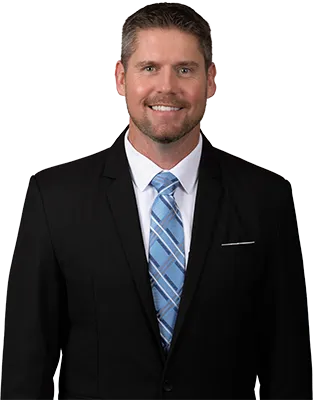
Finding the perfect horse farm in Ocala, Florida requires careful consideration of your specific equestrian goals, budget, and lifestyle preferences. Known as the “Horse Capital of the World,” Ocala offers unique advantages including limestone-rich soil that promotes excellent drainage and supports horse bone health. Whether you’re seeking a personal recreational property, a professional breeding operation, or a competitive training facility, understanding how to evaluate Ocala’s diverse equestrian properties is essential for making the right investment. In this blog post, Ocala real estate expert Scott Coldwell discusses how to find the best Ocala horse farm for your specific needs.
To find the best Ocala horse farm for your specific needs, start by clearly defining your equestrian goals and budget, then focus on evaluating land quality, infrastructure, location proximity to major venues like the World Equestrian Center, and ensuring proper zoning compliance. Working with an experienced local realtor who specializes in horse properties will help you navigate Ocala’s unique market characteristics and find a farm that aligns with your long-term objectives.
Key Takeaways
- Define your specific equestrian goals and budget before beginning your search to focus on properties that match your intended use
- Evaluate land quality including soil drainage, pasture condition, and acreage requirements based on your horse count and future expansion plans
- Assess existing infrastructure such as barns, stables, arenas, fencing, and water systems to understand immediate needs and potential renovation costs
- Consider location factors including proximity to equestrian venues, veterinary services, and trail access that support your riding discipline and lifestyle
To Discuss Your Home Sale or Purchase, Call or Text Today and Start Packing!
Define Your Equestrian Goals and Budget Requirements
Before exploring available properties, establishing clear objectives for your horse farm purchase is crucial for narrowing your search effectively. Consider whether you’re planning a personal recreation property, a commercial boarding operation, a breeding facility, or a competitive training center, as each purpose requires different infrastructure and zoning considerations. Your intended discipline also matters significantly – dressage operations need different arena specifications than polo facilities, while thoroughbred breeding requires specialized foaling barns and paddock layouts.
Budget planning extends beyond the purchase price to include ongoing operational costs, which typically range from two to four percent of the property’s value annually for maintenance alone. Factor in expenses for feed, veterinary care, farrier services, insurance, and potential infrastructure improvements when determining your realistic price range. Following the general guideline of spending no more than 30-50% of your take-home income on housing helps prevent becoming “house poor” while managing a property that demands consistent investment.
“One of the biggest mistakes I see potential horse farm buyers make is underestimating the total cost of ownership. Beyond the purchase price, you need to budget for ongoing maintenance, improvements, and operational expenses that can easily total thousands of dollars monthly.” – Scott Coldwell
🐎 Complete Ocala Horse Farm Buying Guide
Essential factors for finding your perfect equestrian property
| 🎯 Goal Setting & Budget Planning | |
| Purpose Definition |
✓ Personal recreation vs. commercial operation ✓ Breeding, training, or boarding focus ✓ Discipline-specific requirements (dressage, polo, racing) |
| Budget Guidelines |
30-50% max of take-home income for housing 2-4% annual property value for maintenance ✓ Include feed, vet, farrier, insurance costs |
| 🌱 Land Quality & Infrastructure | |
| Soil & Drainage |
✓ Limestone-rich soil (Ocala advantage) ✓ Gentle slopes for water runoff ✓ No erosion or waterlogging issues |
| Acreage & Pastures |
2+ acres minimum per horse ✓ Quality grasses: alfalfa, orchardgrass, timothy ✓ No toxic plants (foxglove, cherry trees) |
| Essential Facilities |
✓ Well-ventilated barns with fans ✓ Horse-safe fencing (no barbed wire) 10+ GPM water system capacity ✓ Quality arena footing for your discipline |
| 📍 Location & Proximity | |
| Major Venues |
✓ World Equestrian Center (WEC) ✓ HITS Post Time Farm ✓ Florida Horse Park proximity |
| Essential Services |
✓ Equine veterinarians nearby ✓ Farrier service availability ✓ Feed stores and tack shops ✓ Trail access (Ocala National Forest) |
| ⚖️ Legal & Zoning Requirements | |
| Zoning Compliance |
✓ Agricultural zoning verification ✓ Commercial activity permissions ✓ Construction setback requirements |
| Tax Benefits |
✓ Agricultural exemption eligibility ✓ Property tax classification ✓ Ongoing compliance requirements |
Consider your long-term expansion plans when evaluating acreage requirements, as properties with additional developable land offer flexibility for adding facilities or increasing horse capacity over time.
Evaluate Land Quality and Infrastructure Components
Ocala’s distinctive limestone-rich soil provides natural advantages for horse properties, offering excellent drainage characteristics that prevent muddy conditions during Florida’s rainy season while contributing beneficial minerals that support equine bone health. When inspecting an equestrian property, examine the terrain for gentle slopes that promote proper water runoff without creating erosion issues that could damage pastures or structures.
Pasture quality directly impacts your long-term feed costs and horse health, so evaluate the existing forage including preferred grasses like alfalfa, orchardgrass, timothy, and Bahia grass while identifying any problematic vegetation. Avoid properties with toxic plants such as foxglove or cherry trees that pose serious health risks to horses. Plan for a minimum of two acres per horse to provide adequate grazing space, though more acreage offers greater flexibility for rotational grazing and future expansion.
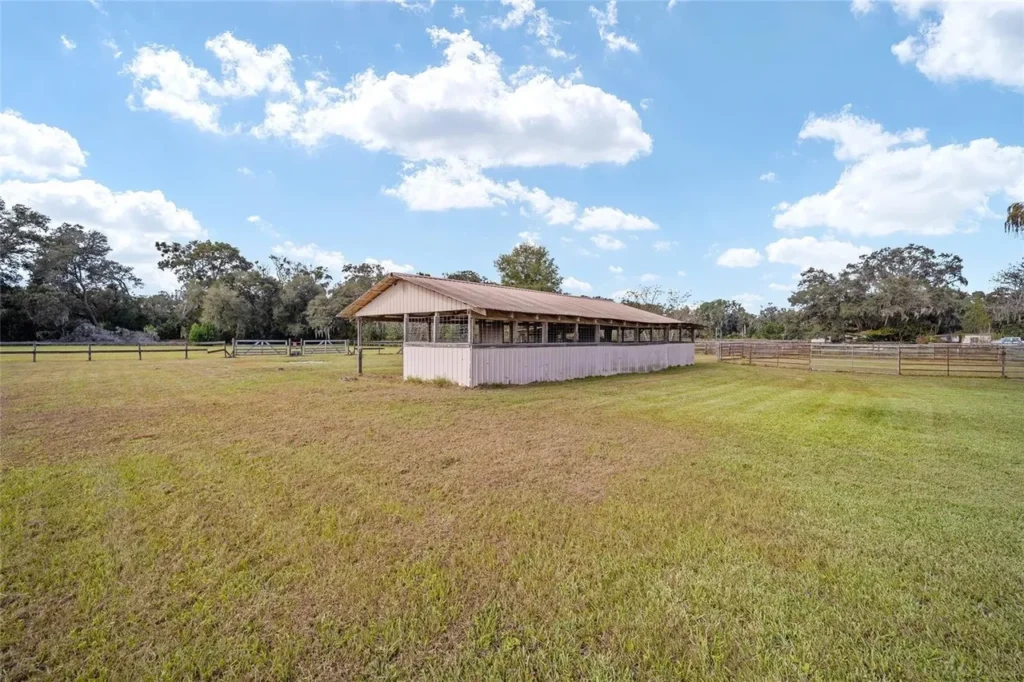
Infrastructure assessment should include thorough evaluation of existing barns, stables, fencing, and riding arenas to understand immediate repair needs and renovation costs. Check for proper ventilation in barn structures, safe fencing materials that avoid dangerous barbed wire, and arena footing conditions that support your intended riding discipline. Water access remains critical in Florida’s climate – ensure reliable, high-pressure water sources near barns and drinking areas, typically requiring at least 10 gallons per minute flow capacity.
Strategic Location and Proximity Considerations
Location plays a vital role in your property’s functionality and long-term value, particularly regarding proximity to major equestrian venues and essential services. Properties near the World Equestrian Center, HITS Post Time Farm, or Florida Horse Park offer competitive advantages for training operations and reduce transportation costs for events and competitions.
Access to essential equine services including veterinarians, farriers, feed suppliers, and tack shops significantly impacts your operational efficiency and emergency response capabilities. Ocala’s established equestrian infrastructure provides extensive service networks, but proximity to these providers can affect response times and service costs. For trail riding enthusiasts, consider properties with direct access to trail systems such as those connecting to Ocala National Forest or the Marjorie Harris Carr Cross Florida Greenway.
The Northwest Corridor area has gained recognition for its concentration of high-performance equestrian facilities and proximity to major venues, making it particularly attractive for competitive operations. However, properties in other areas like Golden Ocala, Ocala Palms, and surrounding communities offer different advantages including larger acreage options and more affordable pricing while maintaining access to Ocala’s equestrian amenities.
“Location isn’t just about convenience – it’s about positioning your investment for success. Properties near major equestrian venues consistently hold their value better and offer more opportunities for networking and business development within Ocala’s horse community.” – Scott Coldwell
Navigate Zoning Requirements and Legal Considerations
Understanding Marion County’s agricultural zoning regulations and permit requirements is essential before finalizing any horse property purchase. Verify that your intended activities including breeding, boarding, training, or hosting events comply with current zoning designations and deed restrictions that could limit future operations. Key questions to ask include permitted commercial activities, setback requirements for new construction, and environmental considerations that might affect development plans.
Zoning and Permit Essentials:
- Commercial activities – Verify permitted uses for boarding, training, or breeding operations
- Construction setbacks – Understand distance requirements for barns, arenas, and facilities
- Environmental compliance – Check wetland designations and development restrictions
- Agricultural exemptions – Confirm eligibility for property tax savings
Water rights and environmental regulations require careful evaluation, particularly regarding well capacity, quality testing, and any wetland designations that could restrict land use. Florida’s environmental protections may impact drainage modifications, pond construction, or facility expansion, so understanding these limitations prevents costly surprises after purchase.
Property tax classifications significantly affect your ongoing expenses, with agricultural exemptions providing substantial savings for qualifying operations. Ensure you understand the requirements for maintaining agricultural status and the potential tax implications if your use changes over time. When considering investment potential, properties with proper zoning, good infrastructure, and quality land typically maintain or increase their value more consistently than those requiring significant compliance corrections.
Why Choose Scott Coldwell to Find Your Perfect Ocala Horse Farm
When searching for the ideal horse farm in Ocala, working with an experienced real estate professional who understands the unique complexities of equestrian properties makes all the difference in your success. Scott Coldwell brings more than 19 years of specialized experience in North Central Florida’s horse country, having helped hundreds of clients successfully purchase and sell equestrian properties throughout the region. His team’s expertise extends beyond traditional real estate to include deep knowledge of zoning requirements, infrastructure evaluation, and the specific needs of different equestrian disciplines.
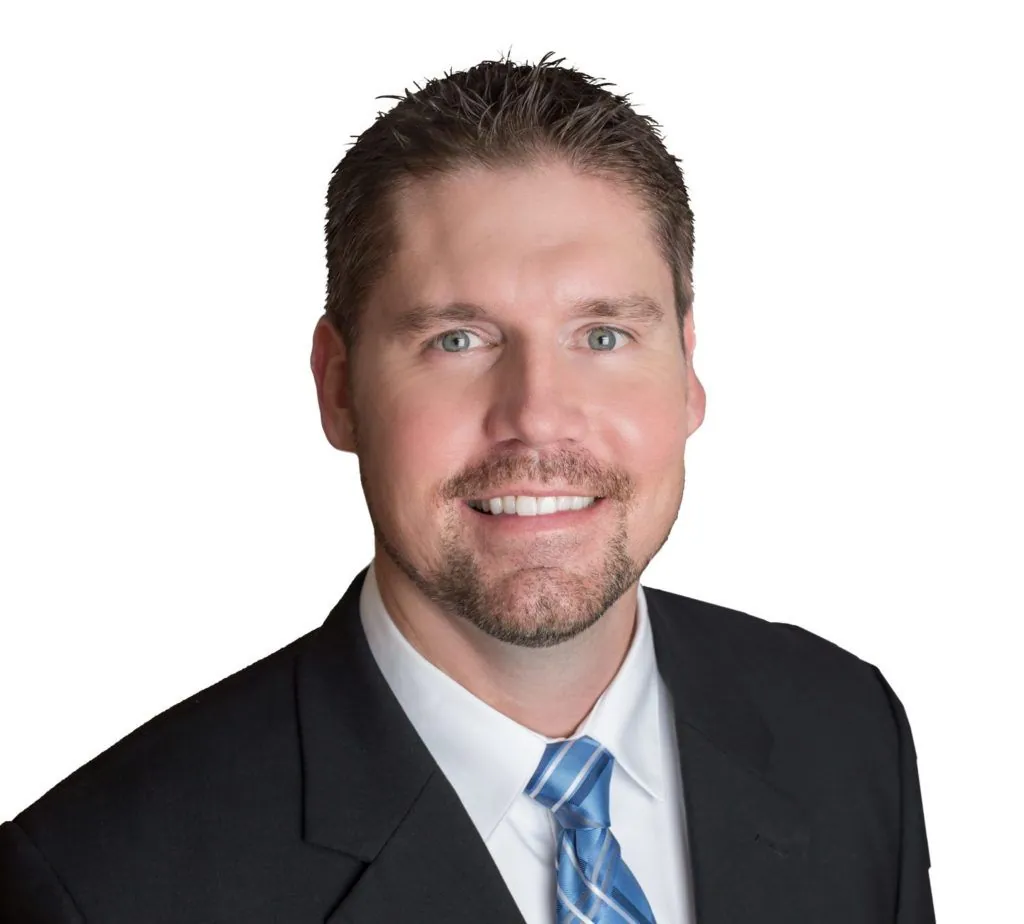
The Scott Coldwell Team at Your Home Sold Guaranteed Realty - Coldwell Real Estate Services maintains an extensive database of more than 9,000 pre-qualified buyers, including many specifically interested in horse properties, which provides unique advantages for both buyers and sellers in Ocala’s competitive market. With hundreds of 5-Star Google reviews and recognition including International Presidents Elite status and Ocala Magazine’s 40 Under 40, Scott has established himself as the best realtor in Ocala for discerning equestrian clients.
Our team’s unique guarantees, including the Guaranteed Sale Program and Move Up Guarantee, provide peace of mind that your horse farm transaction will proceed smoothly whether you’re buying your first property or upgrading to a larger facility. We typically sell homes 48% faster than other local realtors and achieve 100% of asking price, often putting an extra 2.2% in our sellers’ pockets compared to the market average.
Ready to find your perfect Ocala horse farm? Contact us today at 352-290-3512 and let our expertise guide you to the equestrian property that matches your specific goals and budget.
To Discuss Your Home Sale or Purchase, Call or Text 352-290-3512 Today and Start Packing!
Follow Us On Social Media
Follow Scott Coldwell Team on social media for the latest Ocala real estate insights, market updates, and equestrian property listings. Connect with us on Facebook, Instagram, X, YouTube, and Pinterest for exclusive content and expert guidance.
FAQ
Annual maintenance costs for horse farms in Ocala typically range from 2-4% of the property’s value, covering essential expenses like fencing repairs, pasture management, facility upkeep, and infrastructure maintenance. This doesn’t include operational costs such as feed, veterinary care, farrier services, and insurance, which vary significantly based on the number of horses and level of operation. Additional factors like Florida’s climate require budgeting for items such as barn fans, storm preparation, and potential hurricane damage repairs. Working with an experienced agent familiar with Ocala’s equestrian market helps you understand these costs upfront and identify properties with quality infrastructure that minimizes ongoing maintenance expenses. The Scott Coldwell Team provides detailed cost analysis for properties under consideration, helping you make informed financial decisions that align with your long-term budget and equestrian goals.