Investing in an equestrian property in Florida’s horse country requires careful evaluation of numerous factors that can make or break your investment success. Known as the “Horse Capital of the World,” Ocala offers unique opportunities for equestrian property investors, but understanding the local market dynamics, infrastructure requirements, and long-term considerations is essential before making this significant financial commitment. In this blog post, Ocala real estate expert Scott Coldwell discusses what you should consider before investing in an Ocala equestrian property to ensure a successful and profitable purchase.
Recent market analysis shows that properties near major equestrian venues like the World Equestrian Center have experienced over 200% increases in land values since 2021, with this trend continuing through 2025. However, a successful Ocala equestrian property investment requires much more than just proximity to venues – it demands a thorough understanding of soil quality, infrastructure needs, zoning requirements, and operational considerations that can significantly impact your return on investment.
Key Takeaways
- Location proximity to World Equestrian Center and major venues directly impacts property values and rental potential
- Soil quality, drainage, and acreage requirements vary significantly based on your intended use and horse management needs
- Zoning regulations and agricultural exemptions can substantially affect both operational flexibility and tax obligations
- Working with experienced equestrian real estate specialists ensures proper due diligence and market knowledge
To Discuss Your Home Sale or Purchase, Call or Text Today and Start Packing!
Define Your Investment Goals and Property Use
Before evaluating specific properties, clearly defining your investment objectives will guide every decision throughout the purchasing process. Your intended use significantly impacts the type of property you should target, the infrastructure requirements you’ll need, and the potential return on investment you can expect. Commercial operations like boarding facilities, training centers, or breeding farms have vastly different requirements than personal recreational properties.
Consider whether you’re planning to operate a business that generates income through horse boarding, training services, or event hosting, as these activities require specific zoning approvals and infrastructure investments. Personal use properties offer lifestyle benefits but may have different financing options and tax implications compared to commercial operations. Investment properties in Ocala’s equestrian market can appreciate significantly, especially those near major venues, but the timeline for realizing returns varies based on market conditions and property improvements.
“One of the most common mistakes I see with equestrian property buyers is not clearly defining their goals upfront. Whether you’re looking for a private retreat or a commercial operation, that decision affects everything from financing to infrastructure requirements to long-term profitability.” – Scott Coldwell
Ocala Equestrian Property Investment Checklist
Essential factors to evaluate before purchasing your horse property
Your timeline for ownership also influences property selection, as some equestrian properties require significant upfront improvements while others offer immediate income potential. Properties that have been on the market for extended periods may indicate pricing issues or infrastructure concerns that require careful evaluation.
Location and Proximity to Equestrian Infrastructure
Location represents the single most important factor affecting both current value and future appreciation potential for Ocala equestrian properties. The recent “WEC Effect” report demonstrates that proximity to the World Equestrian Center influences property values up to 15 miles from the facility, with the closest properties commanding premium prices and achieving faster sales.
Key Location Factors for Maximum Investment Value:
- Major Venue Proximity: Properties within 20 minutes of World Equestrian Center, HITS Post Time Farm, and Florida Horse Park command higher rental rates and stronger resale values
- Essential Service Access: Close proximity to equine veterinarians, farriers, feed stores, and tack shops reduces operational costs and increases convenience
- Transportation Infrastructure: Quality road access for horse trailers, emergency vehicles, and general transportation affects both daily operations and property desirability
- Future Development Protection: Areas with agricultural zoning or conservation easements maintain equestrian character better than properties near planned residential or commercial development
Marion County’s concentration of horse property specialists and equine service providers creates a supporting ecosystem that adds measurable value to well-located properties. The World Equestrian Center’s continued expansion, including new hotels and facilities, suggests sustained demand for nearby properties will continue driving appreciation through 2025 and beyond.
Evaluate Land Quality and Infrastructure Requirements
Ocala’s limestone-rich soil provides exceptional benefits for horse health, but individual properties can vary significantly in soil quality, drainage, and overall suitability for equestrian use. Proper soil analysis should examine drainage characteristics, pH levels, and nutrient content, as these factors directly affect pasture quality and horse health outcomes. Poor drainage can create muddy conditions that increase injury risk and limit pasture use during Florida’s rainy season.

The acreage requirements for your operation depend heavily on your intended use and the number of horses you plan to maintain. General recommendations suggest two acres for the first horse and one additional acre per subsequent horse, but commercial operations often require significantly more land to accommodate facilities, parking, and future expansion. Properties with 10-20 acres may suit private use, while training or boarding facilities typically require 40+ acres for optimal functionality.
Existing infrastructure quality dramatically affects both immediate usability and long-term investment requirements. Barns, stalls, arenas, and fencing represent substantial investments if they need replacement or major repairs. Professional inspection of all equestrian facilities should evaluate structural integrity, safety features, and compliance with modern standards. Well-maintained facilities can provide immediate income potential, while properties requiring major infrastructure investments may offer lower purchase prices but higher total cost of ownership.
“The limestone soil in Ocala is genuinely beneficial for horses, but I always recommend buyers get a comprehensive soil analysis. Even within our area, properties can have significant variations in drainage and pasture quality that affect both horse health and operational costs.” – Scott Coldwell
Water supply reliability becomes critical for both daily operations and emergency situations, making well water quality and capacity important evaluation criteria. Properties with multiple water sources or connections to municipal systems provide operational flexibility and reduce risk during drought conditions or equipment failures.
Understand Zoning Regulations and Financial Considerations
Marion County’s zoning regulations significantly impact what activities you can conduct on your equestrian property, making thorough research essential before purchase. Understanding these regulations and financial requirements helps ensure your investment meets both current needs and future expansion plans while maximizing available tax benefits and financing options.
Critical Zoning and Regulatory Factors:
- Agricultural Zoning Benefits: Provides greatest flexibility for horse-related activities, commercial operations, and future expansion opportunities
- Residential Zoning Limitations: May restrict horse numbers, commercial activities, or facility types, limiting income potential and operational flexibility
- Future Zoning Changes: Research planned developments or zoning modifications that could affect long-term property use and value
Essential Financial Planning Components:
- Agricultural Tax Exemptions: Can substantially reduce property taxes but require meeting minimum acreage thresholds and demonstrating legitimate agricultural activity
- Specialized Financing Options: Agricultural loans and portfolio lenders often provide better terms than conventional mortgages, with down payments typically 20-25%
- Comprehensive Insurance Requirements: Include liability protection, barn coverage, and potentially commercial policies beyond standard homeowners coverage
- Operating Expense Planning: Budget for feed, veterinary care, farrier services, and facility maintenance, which can represent 40-60% of total property costs
Agricultural tax exemptions provide significant long-term savings but come with ongoing compliance requirements that affect property management decisions. Working with lenders experienced in agricultural real estate helps secure optimal financing terms while ensuring you understand all requirements and restrictions that may affect your investment strategy.
Working with Local Market Experts
The complexity of equestrian property transactions makes working with experienced local professionals essential for successful investment outcomes. Specialized realtors who understand Ocala’s equestrian market can provide insights into property values, infrastructure quality, and local zoning issues that general real estate agents might miss.
Professional property inspections should include both the residential structures and all equestrian facilities, with inspectors experienced in evaluating barns, arenas, and specialized equipment. Soil testing, well water analysis, and survey verification provide essential due diligence information that protects your investment and reveals potential future expenses.
Local market knowledge becomes particularly valuable when evaluating properties that may have unique challenges or opportunities. Understanding seasonal market patterns, typical days on market for different property types, and recent comparable sales helps establish fair market value and negotiation strategies. Properties in established equestrian communities like Golden Ocala or near the World Equestrian Center may have different market dynamics than more remote rural properties.
Building relationships with local service providers including veterinarians, farriers, feed suppliers, and maintenance contractors provides ongoing operational support that affects both property functionality and investment returns. Ocala’s strong equestrian community offers networking opportunities that can enhance both personal enjoyment and business success for property owners.
Why Choose Scott Coldwell to Guide Your Ocala Equestrian Property Investment
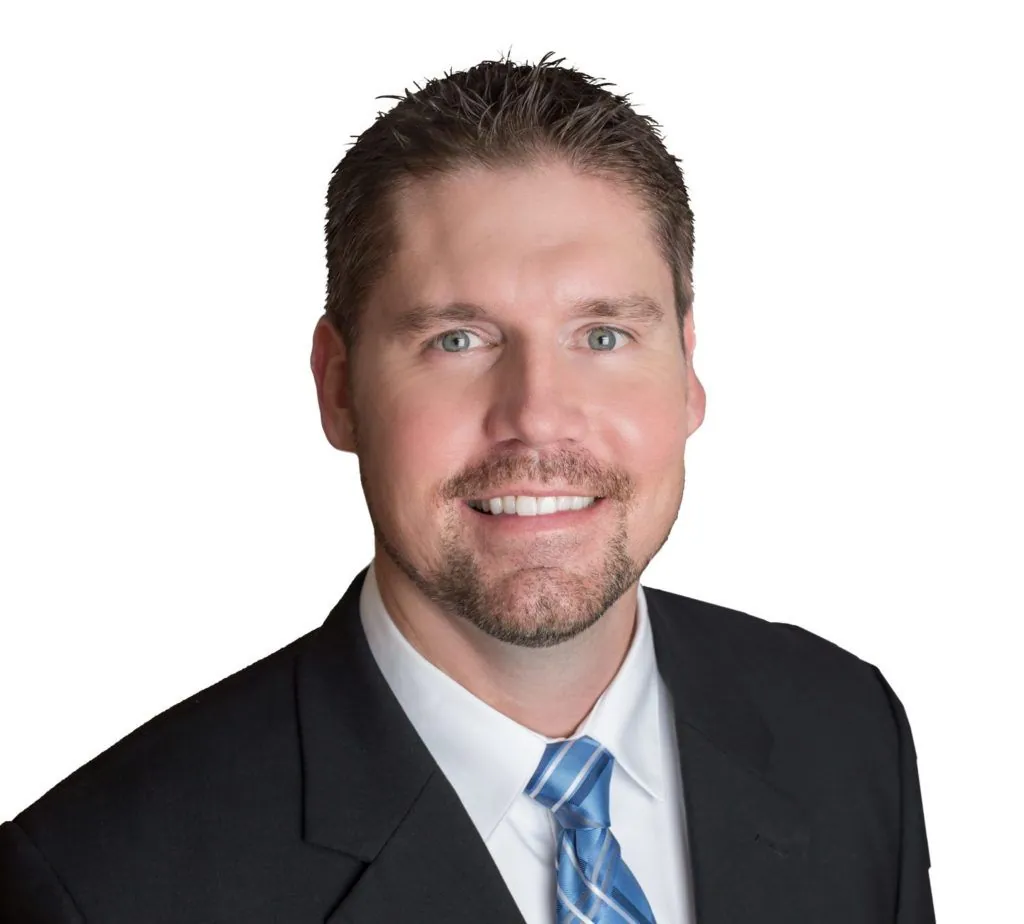
When investing in Ocala’s specialized equestrian property market, working with a real estate professional who understands both the local market dynamics and the unique requirements of horse property ownership makes the difference between a successful investment and costly mistakes. Scott Coldwell brings more than 19 years of North Central Florida real estate experience, including extensive work with equestrian properties and the discerning buyers who seek them.
Scott Coldwell Team’s Equestrian Property Expertise:
- Specialized Market Knowledge: Deep understanding of Marion County’s zoning regulations, agricultural exemptions, and infrastructure requirements for successful equestrian investments
- Proven Track Record: Hundreds of 5-Star Google reviews and recognition as International Presidents Elite (top 3% of Coldwell Bankers Sales Associates Internationally)
- Extensive Buyer Network: Database of over 9,000 pre-qualified buyers, including many specifically seeking equestrian properties
- Superior Results: Team sells 500+ homes annually, achieving 100% of asking price while putting an extra 2.2% in sellers’ pockets compared to market averages
Unique Investment Protection Guarantees:
- Guaranteed Sale Program: If your property doesn’t sell, we’ll buy it ourselves
- “You Will Love Your New Home or I’ll Buy It Back” Guarantee: Complete satisfaction protection for buyers
- 48% Faster Sales: Proven systems that sell properties significantly faster than typical market times
- Comprehensive Market Analysis: Detailed evaluation of property potential, infrastructure quality, and investment returns
The Scott Coldwell Team at Your Home Sold Guaranteed Realty - Coldwell Real Estate Services understands that equestrian property investment requires more than general real estate knowledge – it demands expertise in evaluating everything from soil quality and drainage to arena footing and barn construction standards. Our long-standing relationships within Ocala’s equestrian community provide invaluable insights that protect your investment and maximize your returns.
To Discuss Your Home Sale or Purchase, Call or Text 352-290-3512 Today and Start Packing!
Get In Touch
Call or Text: 352-290-3512
Start Packing!
Follow Scott Coldwell Team on social media for the latest Ocala real estate insights, market updates, and equestrian property listings. Connect with us on Facebook, Instagram, Twitter, YouTube, and Pinterest for exclusive content and expert guidance.
FAQ
Budget planning for equestrian property ownership should include several key expense categories beyond the mortgage payment. Property taxes vary based on agricultural exemption eligibility, while insurance requires standard coverage plus equestrian liability and barn protection. Monthly horse care costs typically run $200-400 per horse for feed and hay, plus farrier services every 6-8 weeks and routine veterinary care. Infrastructure maintenance including barn repairs, fencing, and arena upkeep requires budgeting 2-4% of property value annually. Most Ocala equestrian property owners find that budgeting 40-60% of their monthly property expenses for ongoing operational costs provides a realistic foundation for successful ownership, though this varies based on property size and horse numbers.