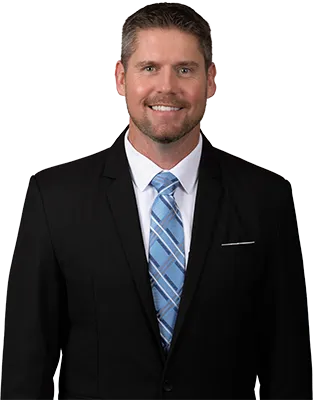
Navigating the complexities of a reverse mortgage short sale can feel overwhelming, especially when dealing with the emotional stress of losing a loved one or facing financial hardship. Understanding what you should know about reverse mortgage short sales is crucial for homeowners and their families in North Central Florida, where many retirees hold these specialized loans. In this blog post, Ocala real estate expert Scott Coldwell discusses what you should know about reverse mortgage short sales and how to navigate this process successfully.
A reverse mortgage short sale occurs when you sell a home with a reverse mortgage for less than the outstanding loan balance, with the lender’s approval. Most importantly, if you have a federally-insured HECM loan, you and your heirs are protected from owing any money beyond the home’s value due to the non-recourse nature of these loans.
Key Takeaways
- Reverse mortgage short sales protect homeowners and heirs from deficiency judgments through non-recourse loan protections
- The process requires lender approval and typically involves selling at 95% of the home’s appraised value
- Florida-specific procedures and timelines may differ from other states, requiring local expertise
- Working with an experienced agent can help avoid common short sale mistakes and expedite the process
To Discuss Your Home Sale or Purchase, Call or Text Today and Start Packing!
Reverse Mortgage Short Sale Process
A Step-by-Step Guide for Florida Homeowners
Key Success Factors
Work with experienced local professionals • Communicate early with lender • Understand Florida-specific procedures • Act within required timelines
Understanding Reverse Mortgage Short Sales in Florida
A reverse mortgage short sale represents a specific type of real estate transaction that becomes necessary when the outstanding balance on a reverse mortgage exceeds the current market value of the home. This situation commonly arises in North Central Florida when property values decline due to market conditions, or when the loan balance has grown significantly over time due to accumulated interest and fees. Unlike traditional mortgages where homeowners make monthly payments, reverse mortgages allow seniors aged 62 and older to convert their home equity into cash without monthly payment obligations.
The loan becomes due and payable when specific triggering events occur, such as the homeowner’s death, permanent move to assisted living, or failure to maintain property taxes and insurance. In Marion County and surrounding areas, many families discover that their inherited property carries a reverse mortgage balance that exceeds the home’s current market value. This scenario particularly affects families in Ocala and surrounding communities where property values may have fluctuated due to economic conditions affecting the retirement housing market.
Understanding the differences between short sales and foreclosure becomes crucial for families facing this situation. A short sale provides more control over the process and timeline compared to allowing the property to go into foreclosure, which can be lengthy and unpredictable.
“I’ve helped dozens of North Central Florida families navigate reverse mortgage short sales, and the most important thing to understand is that with proper guidance, this process protects families from financial liability while providing a dignified way to resolve the property.” – Scott Coldwell
The Step-by-Step Process for Reverse Mortgage Short Sales
The reverse mortgage short sale process in Florida follows a structured approach that requires careful coordination between multiple parties. Understanding each phase helps families prepare for what lies ahead and ensures they take appropriate action within required timeframes.
Initial Timeline and Assessment:
- Six-month resolution period begins when the loan becomes due and payable
- Professional appraisal determines the property’s current fair market value
- Extensions available with proper communication to the lender
- Baseline established for negotiations based on appraisal results
Once the appraisal confirms that the property value falls short of the loan balance, families must formally request short sale approval from the reverse mortgage servicer. For HECM loans insured by the Federal Housing Administration, this process involves submitting documentation to HUD for review and approval.
Lender Approval Requirements:
- Formal short sale request submitted to reverse mortgage servicer
- HUD documentation required for HECM loans
- 95% minimum threshold of appraised value for sale price
- Property condition assessment and local market analysis
Marketing the property requires specialized knowledge of both the local market and reverse mortgage requirements. Properties must often be sold “as-is,” which means buyers understand they’re purchasing the home in its current condition without seller repairs. This aspect of the process requires careful pricing strategy and marketing to attract qualified buyers who understand the unique circumstances surrounding the sale.
Working with professionals who understand how to find experienced short sale realtors becomes essential for families navigating this complex process. The right real estate professional can coordinate with lenders, attorneys, and other necessary parties to ensure compliance with all requirements while maximizing the chances of a successful sale.
Critical Protections and Legal Considerations
The non-recourse nature of most reverse mortgages provides crucial protection for borrowers and their heirs that distinguishes these transactions from traditional short sales. Under federal law, HECM borrowers and their estates cannot be held liable for any deficiency between the sale proceeds and the outstanding loan balance. This protection means that if a home sells for $200,000 but the reverse mortgage balance is $250,000, the FHA insurance covers the $50,000 difference, and neither the borrower nor their heirs owe additional money.
Florida’s homestead exemption laws add another layer of protection for reverse mortgage borrowers, though these protections primarily apply during the borrower’s lifetime. Understanding how Florida’s unique homestead laws interact with federal reverse mortgage regulations requires specialized knowledge that local real estate professionals can provide. These legal protections become particularly important for families dealing with probate proceedings in Marion County courts while simultaneously managing the reverse mortgage resolution.
Estate planning considerations also play a significant role in reverse mortgage short sales. Families often discover that the deceased borrower’s estate planning documents didn’t adequately address the reverse mortgage, creating complications during the probate process. Working with local attorneys who understand both Florida probate law and reverse mortgage requirements helps ensure that all legal obligations are met while protecting the family’s interests.
The timeline for resolving reverse mortgage obligations in Florida may differ from other states due to specific probate procedures and court schedules. Families should understand that while the initial six-month period provides some breathing room, taking action early in the process typically leads to better outcomes and more options for resolution.
Alternatives and Decision-Making Factors
Families facing reverse mortgage obligations have several alternatives beyond short sales, and choosing the right path depends on individual circumstances and goals. If family members wish to retain the property, they can pay off the reverse mortgage balance through refinancing, personal funds, or other financing arrangements. This option works well when the home has sentimental value or when the family believes property values will recover in the future.
A deed-in-lieu of foreclosure represents another alternative where the family voluntarily transfers the property to the lender instead of pursuing a sale. This option eliminates the marketing and sale process but also removes any possibility of recovering equity if the property sells for more than expected. Families considering this option should understand that they’re giving up control over the property’s disposition and any potential upside from the sale.
Some families wonder what happens if no buyer is found during the short sale timeframe. In these situations, working with experienced professionals becomes crucial for obtaining extensions or exploring alternative resolution methods. The key lies in maintaining open communication with the lender and demonstrating good faith efforts to resolve the situation.
Market conditions in North Central Florida can significantly impact the decision-making process. During periods of rising property values, families might choose to wait if they believe the home’s value will increase enough to cover the loan balance. Conversely, in declining markets, pursuing a short sale quickly might prevent further deterioration in the property’s value and provide the best outcome for all parties involved.
“Every family’s situation is unique, and what works for one family might not be the best choice for another. That’s why we take time to understand each family’s goals, timeline, and financial situation before recommending the best path forward.” – Scott Coldwell
Why Choose Scott Coldwell to Navigate Your Reverse Mortgage Short Sale
When facing the complexities of a reverse mortgage short sale in North Central Florida, working with an experienced real estate professional who understands both the local market and the intricacies of these specialized transactions makes all the difference. Scott Coldwell brings more than 19 years of experience helping families navigate challenging real estate situations, including reverse mortgage short sales throughout Marion County and surrounding areas.
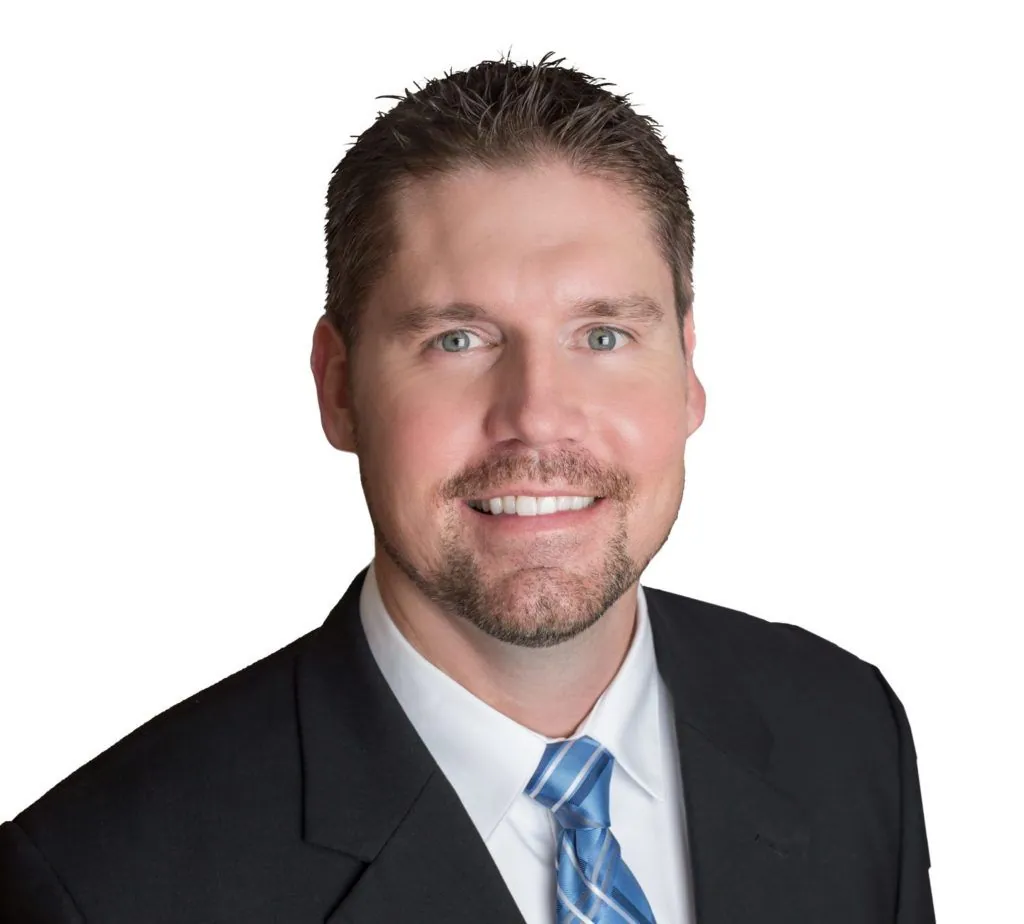
The Scott Coldwell Team at Your Home Sold Guaranteed Realty - Coldwell Real Estate Services has developed specific expertise in handling reverse mortgage properties, understanding the unique requirements for HECM loans, HUD approval processes, and the coordination necessary between lenders, attorneys, and families during these emotional times. Our team’s extensive knowledge of Ocala homes for sale market conditions ensures that your property is priced competitively while meeting lender requirements for approval.
With hundreds of 5-Star Google reviews and a database of over 9,000 pre-qualified buyers, our team can often identify potential purchasers quickly, reducing the time your property spends on the market. Our Guaranteed Sale Program provides additional peace of mind, ensuring that if your property doesn’t sell within the agreed timeframe, we’ll purchase it ourselves, providing certainty during an already stressful time.
Our team’s comprehensive approach includes coordination with local probate attorneys, title companies, and other professionals necessary for smooth transaction completion. We understand Florida’s specific procedures and can help families avoid common pitfalls that could delay the process or create additional complications. Ready to discuss your reverse mortgage short sale options? Contact us today!
Get In Touch
Call or Text: 352-290-3512
Start Packing!
Follow Us On Social Media
Follow Scott Coldwell Team on social media for the latest Ocala real estate insights, market updates, and equestrian property listings. Connect with us on Facebook, Instagram, Twitter/X, YouTube, and Pinterest for exclusive content and expert guidance.
FAQ
If you inherit a home with a reverse mortgage where the loan balance exceeds the property value, you have several options and important protections. Most reverse mortgages are HECM loans with non-recourse protection, meaning you and your family are not personally liable for any deficiency between the sale proceeds and loan balance. You can choose to pay off the loan to keep the property, pursue a short sale with lender approval, complete a deed-in-lieu of foreclosure, or allow the lender to foreclose. The FHA insurance on HECM loans covers any shortfall, protecting your family from additional financial obligation. Working with experienced professionals familiar with North Central Florida real estate and reverse mortgage procedures ensures you understand all options and make the best decision for your family’s situation.