What is the process for a short sale? When you owe more on your home than it’s currently worth, a short sale might be a viable option to avoid foreclosure. It allows you to sell your property for less than the outstanding mortgage balance, with the lender agreeing to accept the proceeds as full or partial satisfaction of the debt.
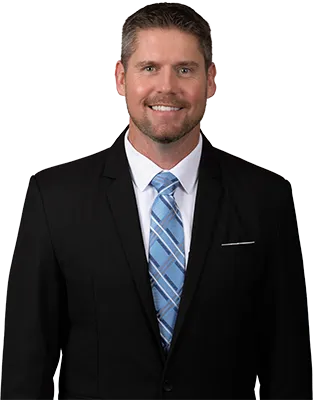
In this blog post, Ocala real estate expert Scott Coldwell discusses what the process for a short sale is.
Key Takeaways:
- A short sale requires lender approval and documentation of financial hardship before you can list your property.
- Working with an experienced realtor who specializes in short sales is crucial for navigating the complex process and negotiating with lenders.
- The timeline for a short sale is typically longer than a traditional sale, often taking 3 to 6 months from initial application to closing.
- Short sales may have tax implications and impact your credit score, though usually less severely than a foreclosure would.
What Is a Short Sale?
A short sale occurs when a homeowner sells their house for less than what they owe on their mortgage, with the lender’s permission. It typically becomes an option when property values decline, leaving homeowners “underwater” on their mortgages.
Short sales typically affect your credit score by 50 to 150 points and remain on your credit report for seven years. However, many homeowners can qualify for another mortgage within 2 to 3 years, compared to 5 to 7 years after a foreclosure.
This faster recovery period is one of the main advantages of going through the short sale process.
Understanding how a short sale works can provide a path forward that minimizes financial damage while allowing you to move on from an unmanageable housing situation. Top Ocala realtor Scott Coldwell explains,
“Short sales represent a compromise between homeowners and lenders. While neither party gets exactly what they want, both avoid the costly and time-consuming foreclosure process, which can be particularly damaging in Florida’s judicial foreclosure system.”
What Is the Process for a Short Sale?
Step 1: Determine Your Eligibility
Before beginning the short sale process, you need to determine if you qualify. Most lenders require you to demonstrate genuine financial hardship that prevents you from making your mortgage payments.
Common qualifying hardships include:
- Job loss
- Medical emergencies
- Divorce
- Death of a spouse
- Significant reduction in income
You’ll also need to be already behind on payments or at risk of falling behind soon. Contact your lender to discuss your situation and ask about their specific requirements for short sales, as these can vary between financial institutions.
Step 2: Gather Documentation
Once you’ve established potential eligibility, start gathering comprehensive documentation of your financial situation. This typically includes:
- Recent pay stubs
- Bank statements
- Tax returns for the past two years
- List of all debts and monthly expenses
- Hardship letter explaining why you can no longer afford your mortgage payments
Your hardship letter should be detailed yet concise. It needs to explain the circumstances that led to your current financial situation and why you believe these circumstances won’t improve in the foreseeable future.
Step 3: Hire an Experienced Realtor
Selecting the right realtor is perhaps the most critical step in the short sale process. You need a realtor with specific experience handling short sales in Ocala, such as Scott Coldwell.
This local experience is necessary because your realtor will have to understand the local market conditions and have established relationships with lenders. An experienced short sale agent will also help you set an appropriate listing price low enough to attract buyers, but high enough to satisfy your lender.
They’ll also help prepare and submit your short sale package to the lender and negotiate on your behalf throughout the process.
Step 4: Submit Your Short Sale Package
Your realtor will help you prepare and submit a complete short sale package to your lender. This package typically includes:
- Your financial documentation
- Hardship letter
- Comparative market analysis showing your home’s current value
- Preliminary net sheet estimating the proceeds from the sale
- Authorization allowing your realtor to communicate with the lender on your behalf
In addition, some lenders have specific forms that must be completed as part of the package. Submit everything together to avoid delays, and keep copies of all documents for your records.
Step 5: List and Market Your Property
After submitting your short sale package, you can list your property for sale. Your realtor will determine an appropriate listing price based on comparable sales in Ocala and your specific neighborhood. The property should be priced competitively to attract offers quickly, as lenders are more likely to approve short sales that won’t linger on the market.
During this stage, it’s important to maintain your property in good condition. This will make it as attractive as possible to potential buyers despite the challenging circumstances.
Step 6: Receive and Present Offers
When offers come in, your realtor will present them to you. After you’ve reviewed them, they’ll present them to your lender. The best offers to submit to your lender will have few or no contingencies, proof of funds or pre-approval letters, and a reasonable closing timeline that allows for lender review.
Remember that the final decision rests with the lender, not you, although you’ll typically review and sign off on offers before they’re submitted to the lender.
Be prepared for potential buyers to offer less than asking price, knowing it’s a short sale situation.
Step 7: Lender Review and Approval
The lender review stage often takes the longest, typically 30 to 90 days. During this time, the lender must evaluate whether accepting the short sale offer makes more financial sense than foreclosing.
They will review the offer and your financial documentation, and potentially order a Broker Price Opinion (BPO) or appraisal to verify the property’s value. They may also counter the offer or request additional terms, such as requiring you to contribute cash at closing or sign a promissory note for part of the forgiven debt.
Scott Coldwell notes,
“In Ocala’s market, I’ve seen lenders take anywhere from a few weeks to several months to reach a decision. During this time, it’s crucial to respond to requests for additional information promptly in order to keep the process moving forward.”
Step 8: Closing and Moving Forward
Once the lender approves the short sale, you’ll proceed to closing. This part works much like a traditional real estate transaction. The title company will handle the paperwork, funds will be transferred, and you’ll need to vacate the property according to the terms of the agreement.
Be sure to obtain written confirmation from your lender regarding the settlement of your debt. Specifically, whether they’re forgiving the deficiency (the difference between what you owed and what the property sold for) or if you’ll remain responsible for any portion of it.
Also, request an IRS Form 1099-C for any forgiven debt, as you may need to report this as income on your taxes.
The short sale process, while challenging, offers Ocala homeowners a way to exit an underwater mortgage with less damage to their financial future than a foreclosure would cause.
By working with experienced professionals and maintaining open communication with your lender throughout, you can navigate this complex process and begin rebuilding your financial stability.
To Discuss Your Home Sale or Purchase, Call or Text Today and Start Packing!
Why Choose Scott Coldwell To Help With Your Short Sale?

When facing the challenges of a short sale in Ocala, Scott Coldwell offers unparalleled expertise and a proven track record of success. With more than 19 years of experience in real estate and a team that consistently sells over 500 homes annually in North Central Florida, Scott brings the knowledge and resources necessary to navigate even the most complex short-sale transactions.
His extensive relationships with lenders and financial institutions throughout the region create opportunities that other realtors simply cannot access.
His team offers comprehensive support throughout the short sale process, from initial consultation through closing, ensuring you understand each step. In addition, Scott’s unique guarantees—including the Guaranteed Sale Program and Seller Cancellation Guarantee—provide additional peace of mind during an already stressful time.
With hundreds of 5-star Google reviews attesting to his team’s exceptional service, Scott Coldwell has established himself as one of the best realtors in Ocala for challenging situations like short sales.
If you’re considering a short sale or need guidance on distressed property options, call or text Scott today at 352-290-3512 to discuss your situation and start moving toward financial recovery.
Frequently Asked Question
Generally, you can remain in your home during the short sale process. However, you’ll need to vacate the property by the agreed-upon date once the sale is complete. It’s important to keep the property in good condition during this time to ensure the best possible sale outcome.