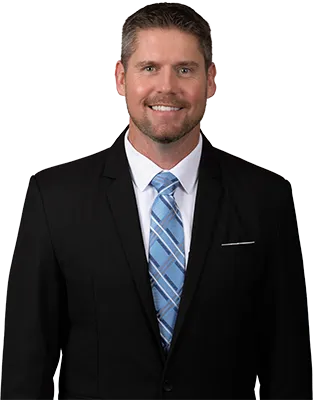
Facing financial difficulties that make it impossible to keep up with mortgage payments can be extremely stressful. For many Florida homeowners, a short sale might seem like a viable solution to avoid foreclosure. However, it’s crucial to understand the potential tax consequences before proceeding. In this blog post, Ocala real estate expert Scott Coldwell discusses what Florida homeowners should know about the tax implications of short sales.
Key Takeaways
- Short sale forgiven debt can potentially be treated as taxable income by the IRS
- The Mortgage Forgiveness Debt Relief Act provides tax protection for qualified principal residence indebtedness through 2025
- Florida homeowners benefit from having no state income tax, simplifying tax considerations
- Investment properties and second homes don’t qualify for the same tax relief as primary residences
To Discuss Your Home Sale or Purchase, Call or Text Today and Start Packing!
Understanding Short Sales and Potential Tax Implications
A short sale occurs when you sell your home for less than the amount you owe on your mortgage, with your lender agreeing to accept this reduced amount to release the lien on your property. While this can help you avoid foreclosure, it creates what’s known as “forgiven debt” – the difference between what you owed and what the lender received from the sale.

“Many homeowners are surprised to learn that forgiven debt from a short sale is typically considered taxable income by the IRS,” explains real estate expert Scott Coldwell. “For example, if you owe $300,000 on your mortgage and your lender approves a short sale for $200,000, the IRS generally considers that $100,000 difference as income you must report on your tax return.”
This potential tax liability can be significant depending on your tax bracket. However, there are important exceptions and protections that may help Florida homeowners avoid this tax burden.
Mortgage Debt Relief Act: A Critical Tax Protection
The Mortgage Forgiveness Debt Relief Act, first passed in 2007 and extended multiple times since then, provides crucial tax relief for homeowners. Under the Consolidated Appropriations Act, this protection has been extended through 2025, allowing qualified homeowners to exclude forgiven mortgage debt from their taxable income.
“This legislation has been a lifeline for many Florida homeowners facing difficult financial situations,” notes Scott Coldwell, top realtor in Ocala. “The current extension allows taxpayers to exclude up to $750,000 of forgiven debt on their primary residence from taxable income.”
To qualify for this protection, the mortgage must have been used to buy, build, or substantially improve your principal residence. It’s important to note that this protection only applies to your main home – not second homes, vacation properties, or investment properties.
Florida’s Advantage: No State Income Tax
One significant advantage for Florida homeowners is the state’s lack of income tax. This means that even if you have forgiven debt that doesn’t qualify for federal exclusion, you won’t face additional state tax liability. In many other states, homeowners must deal with both federal and state tax implications from short sales.
This is one reason why understanding Ocala real estate tax implications requires specialized knowledge of both Florida’s unique tax environment and federal regulations. Working with professionals who understand both is crucial when considering a short sale.
Important Exceptions That May Help Homeowners
Even if you don’t qualify for relief under the Mortgage Forgiveness Debt Relief Act, there are other potential ways to avoid tax liability from forgiven debt:
- Insolvency Exclusion: If you were insolvent (your debts exceeded the fair market value of your assets) immediately before the debt was forgiven, you may be able to exclude some or all of the forgiven debt from your income.
- Bankruptcy Exclusion: Debt forgiven through bankruptcy proceedings is not considered taxable income.
- Non-Recourse Loans: If your mortgage was a non-recourse loan (meaning the lender’s only remedy in case of default is to repossess the property), forgiven debt may not be considered taxable income.
“Each homeowner’s situation is unique, which is why it’s essential to consult with a qualified tax professional before proceeding with a short sale,” advises Scott Coldwell. “They can help you understand which exceptions you might qualify for and guide you through the proper reporting requirements.”
Special Considerations for Investment Properties
If you’re considering a short sale for an investment property in North Central Florida real estate markets, be aware that the Mortgage Forgiveness Debt Relief Act generally doesn’t apply. Investment property owners typically must report forgiven debt as taxable income unless they qualify for one of the other exceptions mentioned above.
Additionally, investment property owners must consider potential capital losses from the sale, which may offset some of the tax impact from the forgiven debt.
Documentation and Reporting Requirements
If you complete a short sale with forgiven debt, your lender will typically issue a Form 1099-C (Cancellation of Debt) showing the amount of debt canceled. This form is sent to both you and the IRS, making it essential to report this information correctly on your tax return.
Even if you believe you qualify for an exclusion, you must still report the forgiven debt on your tax return using Form 982. Working with a tax professional familiar with short sales can help ensure you meet all reporting requirements properly.
Call Scott Coldwell to Navigate Your Real Estate Challenges
If you’re struggling with mortgage payments and considering a short sale, having expert guidance is essential. As one of North Central Florida’s most experienced real estate professionals, Scott Coldwell can help you understand your options and connect you with qualified tax professionals who can address your specific situation.
Don’t navigate these complex waters alone. Our team has helped countless homeowners through difficult financial situations, providing compassionate guidance while protecting their long-term financial interests. Call or text 352-290-3512 today for a confidential consultation about your situation.
Why Choose Scott Coldwell To Buy or Sell a House?
With more than 19 years of experience in the real estate industry and a team that sells over 500 homes annually in North Central Florida, Scott Coldwell brings unparalleled expertise to every client situation. Whether you’re facing financial challenges or looking for your dream home, our team takes the time to understand your specific goals and what’s most important to you.
Our clients benefit from our comprehensive guarantees, including our Guaranteed Sale Program, Move Up Guarantee, and “You Will Love Your New Home or I’ll Buy It Back” Guarantee. These commitments demonstrate our confidence in delivering exceptional results for every client.
Don’t just take our word for it – our hundreds of 5 star Google reviews speak to our commitment to client satisfaction and successful outcomes even in challenging situations. When you work with Your Home Sold Guaranteed Realty - Coldwell Real Estate Services, you’re working with professionals who understand both the emotional and financial aspects of real estate decisions.
FAQ
Whether you’ll face tax penalties from a short sale depends on several factors, including whether your loan qualifies under the Mortgage Forgiveness Debt Relief Act, your financial situation at the time of the short sale, and whether you meet criteria for other exclusions.
Many homeowners are able to avoid tax penalties through various relief provisions, particularly for primary residences. However, each situation is unique, which is why it’s essential to consult with a qualified tax professional before proceeding with a short sale. They can evaluate your specific circumstances and help you understand the potential tax implications you may face.
If you’re concerned about potential tax penalties from a short sale, contact our office at 352-290-3512. We can help connect you with knowledgeable tax professionals who understand the unique challenges of short sales in Florida’s real estate market and can help you make informed decisions to protect your financial future.