Wondering how to tell if a buyer likes your house? Selling your home in Ocala means hosting showings and trying to read potential buyers’ reactions. Understanding the signs that indicate genuine interest can help you anticipate offers and prepare for negotiations.
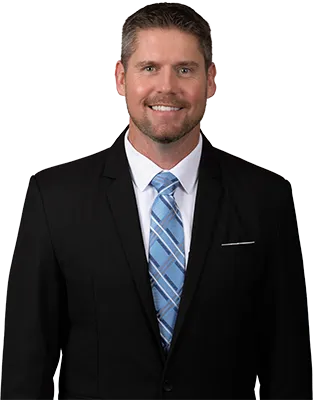
In this blog post, Ocala real estate expert Scott Coldwell and the team at Your Home Sold Guaranteed Realty - Coldwell Real Estate Services discuss how to tell if a buyer likes your house.
To tell if a buyer likes your house, watch for these key indicators: they ask detailed questions about systems and maintenance, request second showings or bring family members, discuss financing details or closing timelines, spend extra time exploring rooms and storage spaces, and display positive body language like smiling or animated conversations about furniture placement.
To Discuss Your Home Sale or Purchase, Call or Text Today and Start Packing!
Key Takeaways:
- Watch for buyers who ask detailed questions about property features, utilities, and maintenance history.
- Second showings and bringing family members are strong indicators of serious interest.
- In Ocala’s current market (88-day average selling time), follow-up communication is a particularly significant sign of interest.
How to Tell If a Buyer Likes Your House – 5 Things to Look For
1. They Ask Detailed Questions
When buyers show genuine interest in your home, they dig deeper with specific questions. They’ll inquire about the age of major systems, utility costs, and recent renovations. These detailed questions indicate they’re thinking practically about living in your home.
Ocala real estate expert Scott Coldwell adds,
“When a buyer starts asking about the specific age of your roof, HVAC system, or water heater, that’s typically a strong indicator they’re doing mental calculations about future expenses. These practical questions almost always signal serious interest.”
In the current Ocala market, buyers often ask neighborhood-specific questions about equestrian facilities, school districts, or proximity to medical centers—signs they’re imagining life in your location.
2. They Request a Second Showing or Bring Family/Friends
A request for a second showing demonstrates your home has made the buyer’s shortlist. This is especially significant in Ocala’s current market, where buyers have more options to consider.
Who they bring to subsequent showings reveals their intentions. Family members and friends often provide reassurance for major decisions, while contractors suggest they’re planning renovations.
Pay attention to what areas they focus on during return visits—this reveals what features matter most to them and could be valuable information for negotiations.
3. They Discuss Financing and Timeline
When buyers start asking about your flexibility on price, closing costs, or included items, they’re likely preparing to make an offer. These financial discussions often precede formal offers, especially in Ocala’s current buyer’s market.
Buyers who share information about mortgage pre-approval or preferred closing timelines are mentally committed to the purchase process. This openness signals they’re serious about moving forward.
Working with an experienced realtor can help you interpret these financial signals accurately and respond in ways that move the sale forward.
4. They Stay Longer During the Showing
Serious buyers spend more time at showings, carefully examining the details of the home. When someone lingers, measures rooms, or discusses furniture placement, they’re mentally moving in.
Notice buyers who open closets, test water pressure, or check storage spaces—they’re evaluating whether the home meets their practical needs, which is a key step before making an offer. In Ocala’s neighborhoods, buyers also tend to spend extra time exploring the property’s outdoor spaces.
5. They Show Positive Body Language and Comments
A buyer’s non-verbal cues can reveal their interest level as well. Watch for signs like nodding, smiling, or animated discussions while touring your home. These physical reactions often indicate an emotional connection.
Scott Coldwell notes,
“Body language rarely lies. When buyers start pointing out where their furniture would go or how they might personalize a space, they’ve already emotionally moved in—and that’s usually followed by an offer within days.”
Compliments about specific features or design choices suggest the buyer appreciates your home. Remarks about good value or smart upgrades are particularly telling.
To Discuss Your Home Sale or Purchase, Call or Text Today and Start Packing!
Why Choose Scott Coldwell To Help With Your Sale?

When facing a home sale in Ocala, Scott Coldwell offers unparalleled expertise and a proven track record of success. With more than 19 years of experience in real estate and a team that consistently sells over 500 homes annually in North Central Florida, Scott brings the knowledge and resources necessary to navigate even the most complex transactions.
His extensive relationships with buyer’s agents throughout the region create opportunities that other realtors simply cannot access.
His team offers comprehensive support throughout the selling process, from initial consultation through closing, ensuring you understand each step. In addition, Scott’s unique guarantees—including the Guaranteed Sale Program and Seller Cancellation Guarantee—provide additional peace of mind during an already stressful time.
With hundreds of 5-star Google reviews attesting to his team’s exceptional service, Scott Coldwell has established himself as one of the best realtors in Ocala.
If you’re considering selling your Ocala home, call or text Scott today at 352-290-3512 to discuss your situation and prepare for a successful sale.
Frequently Asked Question
Questions about recent upgrades, utility costs, HOA fees, or the age of major systems (roof, HVAC, etc.) suggest buyers are weighing practicalities before making a decision. If they ask about your flexibility on price or preferred closing dates, it’s a clear sign they’re preparing to negotiate. Ocala buyers, in particular, might also inquire about flood zones, insurance rates, or local zoning.