Homeowners facing financial hardship in Ocala often consider a short sale as an alternative to foreclosure, but this vulnerable position makes them prime targets for scammers. Understanding how to identify and avoid common short sale scams protects your financial future and ensures you work with legitimate professionals during this challenging time. The North Central Florida real estate market has seen various fraudulent schemes targeting distressed homeowners, making it essential to recognize warning signs before it’s too late. In this blog post, Ocala real estate expert Scott Coldwell discusses how to identify and avoid common short sale scams in the Ocala area.
To identify and avoid common short sale scams, work only with licensed real estate professionals, never pay upfront fees, verify all credentials through official channels, and be wary of anyone pressuring you to transfer your deed or sign documents you don’t fully understand. Legitimate short sale assistance comes from licensed professionals who get paid at closing, not before.
Key Takeaways
- Licensed professionals only: Always verify that anyone offering short sale help holds a valid Florida real estate license through the state’s official database
- No upfront fees: Florida law prohibits charging fees before services are completed, making any upfront payment request an immediate red flag
- Deed protection: Never transfer your property deed to anyone promising to “save” your home, as this is a common tactic used in foreclosure rescue scams
- Verify everything: Check credentials, read all documents carefully, and consult with trusted advisors before signing anything related to your short sale
To Discuss Your Home Sale or Purchase, Call or Text Today and Start Packing!
Understanding Short Sale Scams in North Central Florida
Short sale scams in the Ocala area often target homeowners who are behind on mortgage payments and desperate for solutions. Scammers exploit this vulnerability by presenting themselves as foreclosure rescue specialists or short sale experts who can quickly solve your problems. However, these fraudulent operators often have no real estate license, no lender relationships, and no intention of actually helping you avoid foreclosure.
The most common approach involves convincing homeowners to pay substantial fees upfront, typically ranging from $1,500 to $5,000, with promises of negotiating with lenders on their behalf. Once payment is received, these scammers either disappear completely or provide little to no actual service. Florida law specifically prohibits this practice under Florida Statute 501.137, which requires distressed property consultants to register with the state and prohibits collecting fees before completing services.
Marion County homeowners should be particularly cautious of operators who claim they can guarantee short sale approval or promise unrealistic timelines. The short sale process typically takes 60 to 90 days in the Ocala market, and no one can guarantee lender approval regardless of their claims. Legitimate professionals like experienced short sale realtors understand these realistic timelines and set proper expectations from the start.
Another prevalent scam involves “phantom buyers” who claim to have a buyer ready to purchase your home immediately. These fraudsters may even present fake purchase agreements to gain your trust. They then pressure you to transfer the deed while promising to make your mortgage payments and allow you to stay in the home as a renter. Once you transfer the deed, they either disappear or collect rent payments while never actually paying your mortgage, leading to foreclosure anyway.
“In my 19 years serving North Central Florida, I’ve seen too many homeowners victimized by short sale scams. The most heartbreaking cases involve families who paid thousands in upfront fees to unlicensed operators, only to lose both their money and their homes. That’s why we always educate clients about their rights under Florida law and provide transparent service with no fees until closing.” – Scott Coldwell
| ✓ Legitimate Short Sale Professional | ⚠ Short Sale Scammer Red Flags |
|---|---|
| ✓Paid at closing only through transaction proceeds | ✗Demands upfront fees of $1,500-$5,000 before providing services |
| ✓Active Florida real estate license verifiable through state database | ✗No license, expired license, or refuses to provide license number |
| ✓Sets realistic timelines of 60-90 days for short sale approval | ✗Guarantees approval or promises unrealistic quick closings |
| ✓Encourages you to communicate directly with your lender | ✗Tells you to stop talking to your lender and let them handle everything |
| ✓You retain ownership until the property actually sells to a buyer | ✗Asks you to transfer your deed or sign over property ownership |
| ✓Provides time to review documents and consult with advisors | ✗Pressures you to sign immediately with claims of urgency |
| ✓Professional contracts with clear terms and proper legal formatting | ✗Poorly written documents with spelling errors and vague language |
| ✓Established office location, verifiable reviews, and client references | ✗No physical office, refuses references, or has numerous complaints |
| ✓Explains all alternatives including loan modification and deed-in-lieu | ✗Only pushes one solution without discussing other options |
| ✓Transparent about the process, timeline, and potential outcomes | ✗Makes promises that sound too good to be true or lacks transparency |
Red Flags That Signal a Short Sale Scam
Recognizing warning signs early can save you from financial loss and additional stress. Several red flags consistently appear across different types of short sale scams, and knowing these patterns helps you avoid fraudulent schemes.
Upfront fee requests represent the most common warning sign. Any company or individual asking for money before providing services violates Florida consumer protection laws. Legitimate real estate professionals working on short sales earn their commission at closing, paid through the transaction proceeds. If someone asks you to pay anything upfront, walk away immediately and report them to the Florida Department of Business and Professional Regulation.
Pressure tactics and urgency are tools scammers use to prevent you from thinking clearly or seeking advice. They might claim you only have 24 to 48 hours to act, that foreclosure is imminent, or that their special program is ending soon. Remember that the short sale process takes time, and legitimate professionals will never rush you into signing documents without proper review and understanding.
Consider these additional red flags:
- Requests to transfer your deed: No legitimate short sale involves signing over your property deed to someone else before the actual sale closes
- Promises of guaranteed approval: Lenders make final decisions on short sales, and no one can guarantee their approval regardless of experience or connections
- Lack of proper licensing: Anyone negotiating with lenders on your behalf must hold an active Florida real estate license or be a licensed attorney
- Asking you to stop communicating with your lender: Legitimate professionals encourage direct lender communication, while scammers want to isolate you from information sources
- Poorly written documents with errors: Professional contracts and agreements should be properly formatted with correct legal terminology and no obvious mistakes
The North Central Florida market has seen scams specifically targeting owners of horse farms and rural properties in areas like Williston and Dunnellon. These scammers prey on the unique challenges of selling agricultural properties, promising specialized expertise they don’t actually possess. Always verify that any realtor’s role in your short sale includes documented experience with your specific property type.
How To Verify Credentials and Protect Yourself
Protecting yourself from short sale scams requires proactive verification of anyone offering assistance. Florida provides free resources that allow homeowners to check professional credentials and confirm legitimacy before engaging services.
Start by verifying real estate licenses through the Florida Department of Business and Professional Regulation website. Every licensed real estate professional in Florida must maintain an active license that can be searched by name or license number. This database shows license status, issue date, expiration date, and any disciplinary actions. If someone claims to be a licensed agent or broker but doesn’t appear in this database, they’re operating illegally.
For added protection, implement these verification steps:
- Check Google reviews and testimonials: Look for 5-star Google reviews from real clients who have completed short sale transactions, not just generic positive comments
- Request references: Ask for contact information from recent short sale clients in Marion County or nearby areas who can share their experiences
- Verify office location: Visit the physical office to confirm they maintain a legitimate business presence in the community
- Review written agreements carefully: Have an attorney review any contracts before signing, especially if terms seem unclear or unusual
- Confirm lender relationships: Ask which local and national lenders they regularly work with on short sales and call those lenders to verify the relationship
The Better Business Bureau and Florida Attorney General’s office maintain records of consumer complaints. Search for the company name and individual professionals to see if others have reported problems. If you discover negative information, trust those warnings and find a different professional to assist you.
Marion County residents can also consult with HUD-approved housing counseling agencies that provide free guidance on foreclosure alternatives. These nonprofit organizations help you understand your options, including whether a short sale makes sense for your situation. They can also review any agreements you’re considering and identify potential problems before you commit.
Working With Legitimate Short Sale Professionals in Ocala
Choosing the right professional to handle your short sale makes the difference between a successful transaction and a nightmare experience. Legitimate short sale experts in Ocala bring extensive experience, proper licensing, transparent pricing, and proven track records.
When evaluating potential real estate professionals, look for specific qualifications that indicate genuine expertise. The professional should hold an active Florida broker or sales associate license and have documented experience completing multiple short sales in North Central Florida. Ask how many short sales they’ve closed in the past 12 months and request examples of successful negotiations with major lenders like Wells Fargo, Bank of America, and Chase.
“Our team at Your Home Sold Guaranteed Realty - Coldwell Real Estate Services has developed strong relationships with loss mitigation departments at every major lender operating in the Ocala market. These relationships, combined with our thorough documentation process, help us achieve short sale approval in 60 to 90 days compared to the 90 to 120-day average. We handle all lender communications, paperwork submission, and follow-up so our clients can focus on their next chapter rather than drowning in bureaucracy.” – Scott Coldwell
Understanding what to do if you’re struggling with mortgage payments helps you make informed decisions about whether a short sale is your best option. Legitimate professionals will explain all alternatives, including loan modifications, deed-in-lieu arrangements, and traditional sales, helping you weigh the pros and cons of each approach.
Professional short sale assistance includes these essential services:
- Complete financial package preparation: Gathering all required documentation including hardship letters, financial statements, and tax returns
- BPO (Broker Price Opinion) coordination: Working with the lender’s appraiser to ensure accurate property valuation
- Buyer identification and qualification: Marketing your property and screening potential buyers to present only serious offers to your lender
- Negotiation expertise: Communicating directly with loss mitigation departments to secure approval and address any obstacles
- Timeline management: Keeping all parties informed and maintaining momentum throughout the process
The best realtors in Ocala understand that short sales require patience, persistence, and detailed knowledge of lender requirements. They also help you avoid common mistakes that can derail the process or create additional financial liability.
Taking Action and Reporting Suspected Scams
If you believe you’ve encountered a short sale scam or have already been victimized, taking immediate action can prevent further damage and help authorities stop these criminals from targeting other homeowners.
Document everything related to the suspected scam, including all written communications, text messages, emails, phone call records, and copies of any documents you signed. Take screenshots of websites, social media profiles, and advertisements used by the scammer. This documentation becomes crucial evidence for investigations and potential legal action.
Contact these agencies to report suspected fraud:
- Florida Department of Business and Professional Regulation: File complaints against unlicensed operators or licensed professionals engaging in fraudulent practices
- Florida Attorney General’s Office: Report consumer fraud and seek assistance through their Economic Crimes Division
- Federal Trade Commission: Submit complaints about foreclosure rescue scams and mortgage relief fraud
- Local law enforcement: Contact the Marion County Sheriff’s Office or Ocala Police Department to report criminal activity
- Better Business Bureau: File complaints to warn other consumers and create public records of problematic companies
If you’ve already paid money to a scammer, contact your bank or credit card company immediately to dispute the charges. While recovery isn’t guaranteed, acting quickly improves your chances of recouping some or all of the funds.
For homeowners who need legitimate assistance but feel overwhelmed by the verification process, HUD-approved housing counselors provide free guidance and can refer you to trustworthy professionals. These nonprofit organizations have no financial incentive to steer you toward any particular service provider, making their recommendations reliable.
The North Central Florida real estate market includes many honest professionals committed to helping distressed homeowners. Don’t let fear of scams prevent you from seeking the help you need. By following the verification steps outlined in this guide, you can confidently identify legitimate experts who will protect your interests throughout the short sale process.
Follow Us On Social Media
Follow Scott Coldwell Team on social media for the latest Ocala real estate insights, market updates, and equestrian property listings. Connect with us on Facebook, Instagram, Twitter/X, YouTube, and Pinterest for exclusive content and expert guidance.
Why Choose Scott Coldwell To Navigate Your Short Sale in Ocala
When facing the stress of a potential short sale in Ocala, working with a real estate professional who has extensive experience protecting homeowners from scams while successfully negotiating with lenders makes all the difference. The Scott Coldwell Team at Your Home Sold Guaranteed Realty - Coldwell Real Estate Services has spent nearly two decades building relationships with lenders, understanding Florida regulations, and helping distressed homeowners find solutions.
Our team’s comprehensive knowledge of Marion County and surrounding areas means we understand the unique challenges facing homeowners in neighborhoods from Golden Ocala to rural properties in Williston. We’ve successfully completed hundreds of short sales throughout North Central Florida, giving us the expertise to navigate complex lender requirements and avoid the pitfalls that derail less experienced agents.
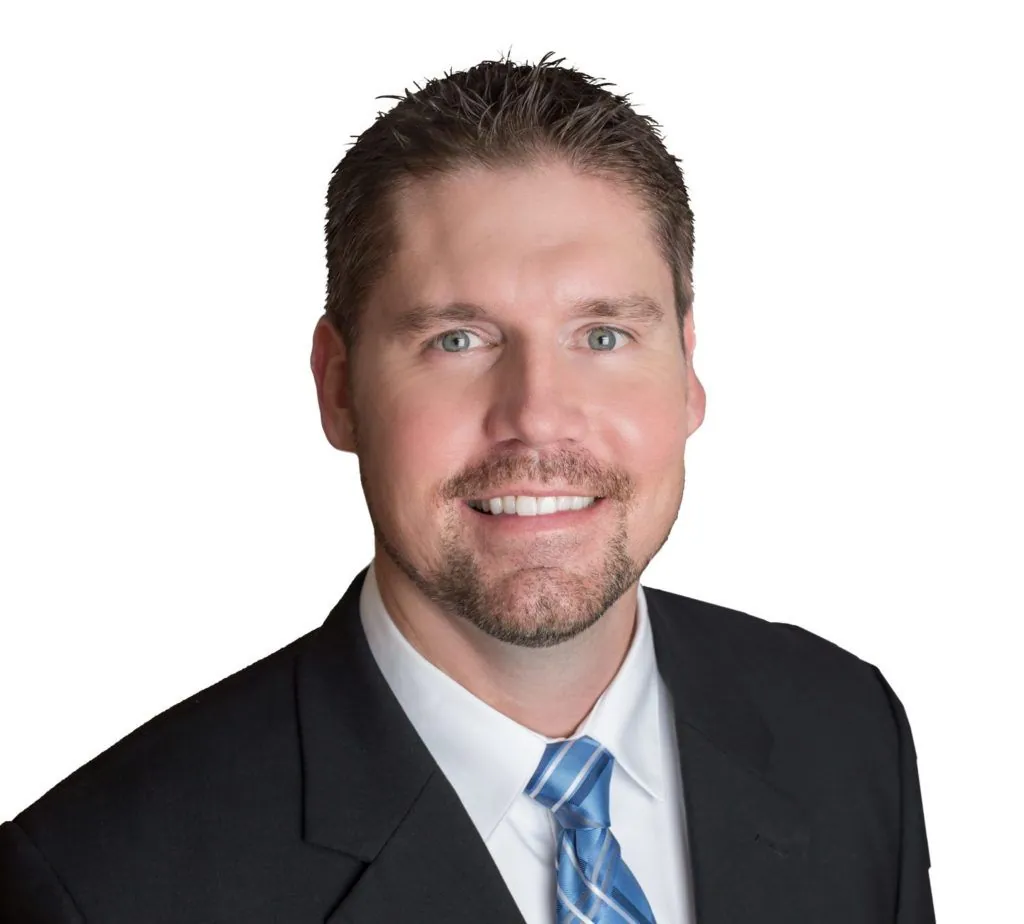
With hundreds of 5-Star Google reviews from satisfied clients, our reputation for honesty, transparency, and results speaks for itself. We never charge upfront fees, we maintain all required Florida licenses, and we provide clear written agreements that protect your interests. Our Guaranteed Sale Program even offers the security of knowing we’ll purchase your home if the short sale doesn’t succeed.
Our database of over 9,000 pre-qualified buyers throughout North Central Florida helps us identify potential purchasers quickly, often reducing the time your property sits on the market. This extensive buyer network, combined with our established lender relationships, helps us achieve short sale approval faster than typical agents while maximizing the approved sale price.
Scott Coldwell’s recognition as a member of the International Presidents Elite (top 3% of Coldwell Bankers Sales Associates Internationally) and his feature in Ocala Magazine’s 40 Under 40 reflect the high standards our team maintains. More importantly, our commitment to educating clients about their rights under Florida law ensures you’ll never fall victim to the scams that plague vulnerable homeowners.
Ready to explore your options with a trusted professional? Contact us today!
Get In Touch
Call or Text: 352-290-3512
Start Packing!
FAQ
Visit the Florida Department of Business and Professional Regulation website and use their license search tool to verify any real estate professional. Enter their name or license number to see their current license status, issue date, expiration date, and any disciplinary actions. The database also shows their business address and license type (broker, broker associate, or sales associate). If someone claims to be licensed but doesn’t appear in this database, they’re operating illegally and you should report them immediately.
Additionally, check that their license is active, not expired or suspended. Legitimate professionals will readily provide their license number and encourage you to verify their credentials. You can also call the DBPR customer contact center at (850) 487-1395 if you need assistance searching the database or want to file a complaint about unlicensed activity. Remember that in Florida, only licensed real estate professionals and attorneys can legally negotiate with lenders on your behalf for compensation, so working with properly licensed individuals protects you from fraud and ensures you receive qualified assistance throughout your short sale process.