Florida’s property insurance crisis has hit Marion County homeowners with a force few anticipated. Premiums that once cost $2,000 annually now routinely exceed $6,000 to $8,000 for identical coverage, converting manageable mortgages into monthly financial emergencies overnight. For many Ocala homeowners, this dramatic cost increase has pushed total housing expenses beyond what their income can reasonably sustain. Consequently, the situation is especially severe for retirees on fixed incomes in communities like On Top of the World or Ocala Palms, where a $300 monthly escrow increase represents a devastating share of Social Security income. In this blog post, Ocala real estate expert Scott Coldwell discusses how rising home insurance costs qualify as a financial hardship for Ocala, Florida short sales.
Key Takeaways
- Insurance premium hikes of 50% or more can trigger a recognized financial hardship qualifying Ocala homeowners for short sale lender approval.
- Escrow account shocks caused by insurance renewals can increase monthly mortgage payments by $200 to $500 overnight, disrupting Debt-to-Income ratios beyond sustainable thresholds.
- Proper documentation of insurance cost increases, including escrow analysis letters and policy declarations, is essential for lender approval of a short sale hardship package.
- Florida Statute 702.06 provides anti-deficiency protection that may shield Ocala short sale sellers from owing the remaining loan balance after closing.
To Discuss Your Home Sale or Purchase, Call or Text Today and Start Packing!
Rising home insurance premiums can qualify as a recognized financial hardship for a short sale when they cause a homeowner’s total monthly housing payment to become unaffordable relative to household income. In Florida, lenders evaluate hardship based on whether the borrower’s total obligations exceed their financial capacity, and a dramatic escrow increase driven by insurance costs meets this standard. Therefore, Marion County homeowners facing premium hikes of 50% or more often find that this single cost increase is sufficient to document a legitimate hardship for lender review.
Having successfully negotiated more than 200 short sales in North Central Florida, Scott Coldwell has built direct working relationships with major mortgage servicers and loss mitigation departments across Marion County. His experience documenting insurance-based financial hardships for lender submission means Ocala homeowners facing escrow crises have a proven specialist in their corner. The Scott Coldwell Team understands the specific documentation, timelines, and lender expectations that determine whether an insurance-related hardship gets approved or denied.
Why Florida’s Property Insurance Crisis Is Forcing Ocala Homeowners Toward Short Sales
Florida’s property insurance market has seen premiums double or triple in recent years, significantly affecting the Ocala real estate landscape. Many Marion County homeowners report jumps from roughly $2,000 to $8,000 annually for the exact same coverage. Ocala sits at the intersection of multiple insurance risk factors, including a significant concentration of pre-2002 homes, proximity to flood zones, and limited private insurer competition in the region. Recent reporting confirms that Florida leads the nation in foreclosure filings, with rising insurance costs, property taxes, and elevated mortgage rates converging simultaneously to push homeowners past their financial breaking points.
For fixed-income retirees, the financial pain is proportionally far greater. A household receiving Social Security and pension income has no mechanism to absorb a sudden $300 or $400 monthly increase. Furthermore, the end of COVID-era mortgage relief programs, combined with escrow shocks from insurance renewals, has pushed many Marion County homeowners past the point where refinancing or loan modification provides any meaningful relief.
What Is Happening to Home Insurance Rates in Ocala Specifically?
Recent data places Ocala’s average annual homeowners insurance premium well above the national average, with many Marion County homeowners reporting costs of $6,000 to $8,000 annually. Pre-2002 homes face the steepest penalties because older construction standards do not meet current wind mitigation codes, making these properties far more expensive to insure. Additionally, when private insurers exit the market or issue non-renewal notices, lenders may impose force-placed insurance at three to five times the cost of standard coverage. As a result, Marion County homeowners who receive such notices are experiencing one of the fastest-acting triggers for short sale initiation in today’s market.
| Expense Category | Before Insurance Increase | After Insurance Increase |
|---|---|---|
| Monthly Principal + Interest | $1,450 |
$1,450 (unchanged) |
| Monthly Property Taxes (Escrow) | $280 |
$280 (unchanged) |
| Monthly Insurance (Escrow) |
$185/month ($2,220/yr) |
$500/month ($6,000/yr) |
| Total Monthly PITI Payment | $1,915 | $2,230 |
| Monthly Payment Increase | $0 |
+$315/month (+$3,780/year) |
| % of Ocala Median Income (~$56K/yr) | 41% |
48% (exceeds 43% DTI threshold) |
How Insurance Premium Hikes Create an Escrow Crisis and Trigger Financial Hardship
Most Ocala mortgage payments include an escrow component that collects monthly contributions toward property taxes and homeowners insurance, known collectively as PITI (Principal, Interest, Taxes, and Insurance). When insurance renews at a dramatically higher rate, the mortgage servicer conducts an escrow analysis and issues a notice showing the new required monthly payment. This adjustment is not gradual and not optional. Consequently, the revised payment takes effect within 30 to 60 days of the analysis letter, regardless of whether the homeowner’s income has changed at all.
For a household earning Ocala’s median income of approximately $56,000 annually, a $315 monthly increase in PITI can push total housing costs from a manageable 41% of gross income to an unsustainable 48%. Standard lending guidelines treat a Debt-to-Income ratio above 43% as the threshold where borrowers become financially overextended. When insurance-driven escrow increases push a household past that threshold, the Deficit Income Test lenders apply to short sale hardship packages is officially triggered.
Lenders use this Deficit Income Test to determine whether the borrower’s documented monthly obligations exceed monthly income after accounting for essential living expenses. Therefore, an insurance-induced PITI increase directly satisfies this test when documented with the escrow analysis letter and insurance renewal declaration side by side.
“When I sit down with an Ocala homeowner facing a $300 or $400 monthly payment increase from an insurance escrow adjustment, the math tells the story immediately. That kind of sudden increase is exactly the type of documented, involuntary financial hardship that lenders recognize in a short sale package, especially when the homeowner can show their income hasn’t changed.” – Scott Coldwell
What Happens When a Lender Forces Insurance on Your Ocala Home?
If a homeowner loses private coverage and cannot secure replacement insurance, the mortgage servicer will place their own force-placed insurance policy on the property. Force-placed insurance in Florida typically costs $400 to $600 or more per month, compared to $200 to $350 for standard coverage. This cost difference creates an immediate escrow crisis and represents one of the fastest-acting hardship triggers for selling a house in Florida through a short sale. Marion County homeowners who receive a force-placed insurance notice should contact a short sale specialist immediately, as the financial deterioration accelerates quickly once force-placed coverage takes effect.
How to Document an Insurance-Based Financial Hardship for Lender Approval
Lenders evaluating a short sale hardship package require documentation that proves two things: first, that the financial hardship is real, and second, that it is the reason the homeowner cannot continue making mortgage payments. For insurance-based hardships, the documentation package must tell a clear before-and-after story, showing what coverage cost previously and what the renewal demanded. Understanding the Ocala short sale requirements for this documentation is the critical first step toward lender approval.
The insurance evidence forms the foundation of the package. This includes the current policy declaration page showing the new premium, the prior year policy showing the original premium, and the escrow analysis letter from the mortgage servicer showing the revised monthly payment. Additionally, a non-renewal or cancellation notice, if the situation has escalated to loss of coverage, strengthens the hardship case further.
Financial documentation must accompany the insurance evidence. This includes two months of bank statements confirming household income, recent pay stubs or Social Security award letters for retirees, two years of federal tax returns, and a monthly household budget. This budget worksheet must demonstrate that income minus essential expenses no longer covers the revised mortgage payment.
Insurance-Related Hardship in Ocala
Special Documentation Considerations for Ocala Retirees
Retirees in communities like On Top of the World or Ocala Palms face a specific challenge: their income is fixed by Social Security and pension distributions, making any insurance increase a proportionally larger hardship. Social Security income is documented with the annual award letter, while pension income uses the 1099-R form issued by the retirement plan administrator. Lenders applying the Deficit Income Test to fixed-income households often find the hardship threshold exceeded more quickly than for wage earners. This reality can actually streamline the approval process when the documentation package is complete and organized. Working with a short sale specialist who understands retiree income documentation is critical to presenting the hardship correctly to loss mitigation reviewers.
Short Sale vs. Foreclosure in Marion County: What Ocala Homeowners Need to Know
Florida is a judicial foreclosure state, meaning lenders must file lawsuits to repossess homes. Foreclosures in Ocala and surrounding areas proceed through the 5th Judicial Circuit, with sales conducted online through the Marion County Clerk of Court system. The foreclosure process typically takes 6 to 18 months to complete, but the damage to credit and public record begins from the first missed payment. A successfully completed short sale, by contrast, typically resolves in 3 to 6 months from initiation in Marion County, based on Scott Coldwell’s experience with more than 200 local negotiations.
Florida Statute 702.06 provides important anti-deficiency protections for short sale sellers. When a lender agrees to a short sale and accepts the proceeds as full satisfaction, they generally cannot pursue the homeowner for the remaining loan balance. However, this protection is not automatic. The short sale approval letter must explicitly state that the remaining balance is forgiven. This nuance is precisely why working with an experienced Ocala short sale specialist during lender negotiations is essential. Additionally, the IRS may issue a 1099-C for forgiven balances, so sellers should always consult a tax professional.
“One of the first questions Ocala homeowners ask me is whether the bank can still come after them for the remaining balance after a short sale. The answer depends entirely on how the approval letter is worded and negotiated. In the more than 200 short sales my team has completed in North Central Florida, getting that deficiency waiver language right has protected every one of our clients.” – Scott Coldwell
Short sales also cause significantly less credit damage than foreclosure. A short sale typically results in a credit score decrease of 85 to 160 points, while a foreclosure can reduce scores by 100 to 150 points and remains on the credit report for seven years with a more damaging public notation. Marion County homeowners interested in understanding their options can begin by working with the best realtor in Ocala who specializes in distressed property transactions. For homeowners who need maximum speed, cash home buyers may also represent an alternative worth exploring. The Scott Coldwell Team’s hundreds of 5-Star Google reviews reflect their track record of guiding distressed homeowners through exactly these decisions with clarity and care.
Why Choose Scott Coldwell to Navigate Your Ocala Short Sale
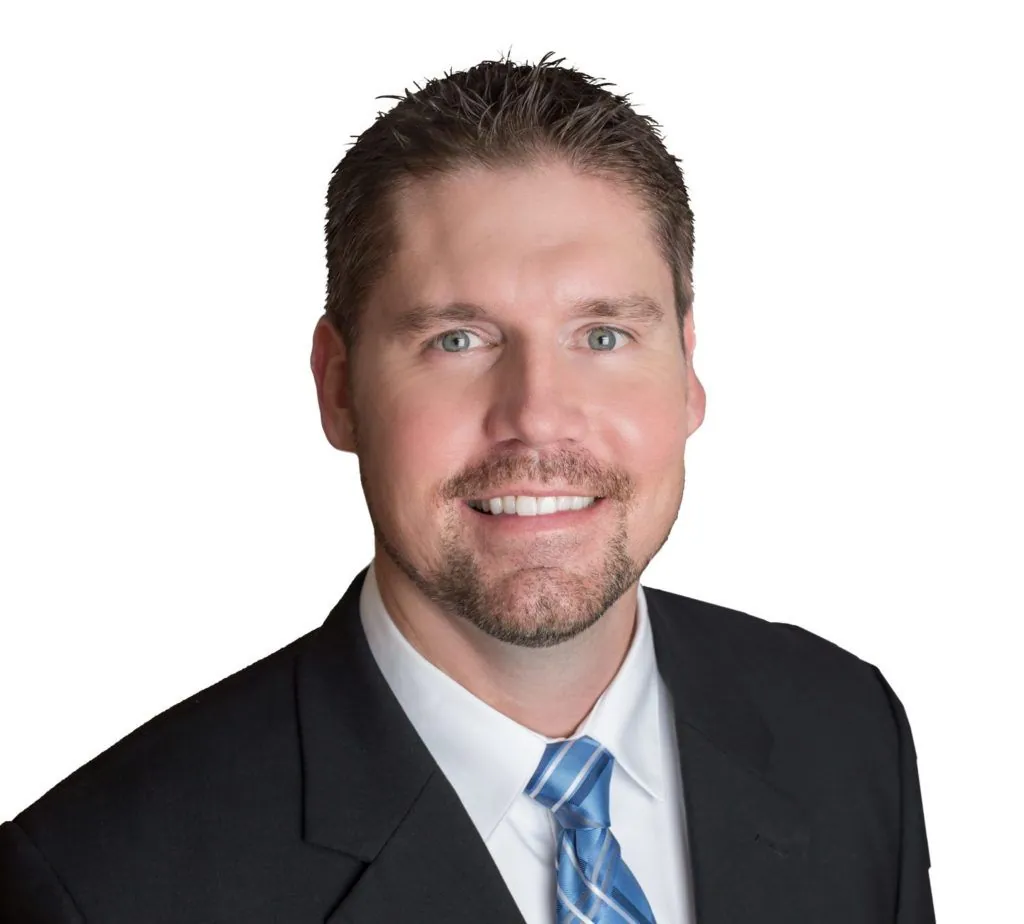
Navigating an insurance-based financial hardship through the short sale process requires a specialist who understands both the financial documentation standards lenders expect and the specific conditions of the Marion County real estate market. Ocala real estate expert Scott Coldwell has successfully negotiated more than 200 short sales in North Central Florida, working directly with major mortgage servicers to secure deficiency waivers and lender approvals. His team at Your Home Sold Guaranteed Realty - Coldwell Real Estate Services understands how to frame rising insurance costs as a documented financial hardship in a way that loss mitigation reviewers recognize and accept. For homeowners in Silver Springs Shores, Belleview, Summerfield, and throughout Marion County, we provide a free consultation to assess whether a short sale is the right path. No matter where you are in the process, the Guaranteed Sale Program ensures you have options and answers.
With more than 19 years of experience in the North Central Florida real estate market, Scott Coldwell has built a reputation as one of the area’s most trusted and effective real estate professionals. Rising quickly through the ranks to become a Broker Owner, Scott has assembled a team of more than 20 top agents dedicated to providing exceptional service to clients throughout the region.
Our Real Estate Expertise
The Scott Coldwell Team has established their reputation through:
- Successfully helping hundreds of families buy and sell homes each year
- Developing specialized knowledge of North Central Florida’s diverse neighborhoods and market trends
- Mastering effective marketing techniques that get homes sold 48% faster than the competition
- Building a database of over 9,000 pre-qualified home buyers ready to purchase
Why Trust Us
The Scott Coldwell Team’s reputation speaks for itself:
- Proven Results: We typically sell homes for 100% of asking price, often putting an extra 2.2% in sellers’ pockets
- Client Satisfaction: Our hundreds of 5-Star Google Reviews showcase our commitment to exceptional service
- Guaranteed Performance: Our unique guarantees ensure your complete satisfaction or we’ll buy your home
- Local Knowledge: As North Central Florida residents, we understand our community and care deeply about the people we serve
- Personalized Approach: We take time to understand your specific real estate goals, ensuring you’re never just another transaction
Community Commitment
Our dedication extends beyond real estate. With every home sale or purchase, we support local charitable causes including The Rock Program (serving underprivileged and homeless youth in Marion County), Ocala Jeep Club, and Feed the Need of Marion County. Our mission “Go Serve Big” reflects our commitment to changing lives in the Ocala community where we live and work.
Ready to experience the Scott Coldwell difference? Contact us today at 352-290-3512 to discuss your real estate goals and start your journey with North Central Florida’s most trusted real estate team.
Follow Us on Social Media
Follow Scott Coldwell Team on social media for the latest Ocala and North Central Florida real estate insights, market updates, and equestrian property listings. Connect with us on Facebook, Instagram, Twitter/X, YouTube, and Pinterest for exclusive content and expert guidance.
Yes, in many cases rising homeowners insurance costs alone can qualify as a financial hardship for lender-approved short sale consideration, particularly when the premium increase causes the total monthly mortgage payment (PITI) to exceed what the household income can sustainably support. Lenders apply a Deficit Income Test that evaluates total monthly obligations against documented income, and an escrow adjustment driven by a dramatic insurance renewal can push this ratio beyond the approval threshold without any other change in circumstances.
To prove an insurance-based financial hardship, you need to document the before-and-after premium comparison using your prior and current policy declaration pages, along with the escrow analysis letter from your mortgage servicer showing the revised monthly payment. Lenders use a Deficit Income Test that compares your total monthly obligations to your documented income, and a significant escrow increase from insurance can push your Debt-to-Income ratio past the 43% threshold lenders recognize as hardship. Pairing this documentation with recent bank statements, pay stubs or Social Security award letters, and a written hardship letter creates a complete lender submission package.
Florida Statute 702.06 provides anti-deficiency protections for qualifying short sale transactions, meaning lenders may be prohibited from pursuing the remaining loan balance after accepting short sale proceeds as full satisfaction of the debt. However, this protection depends entirely on the language in the lender’s written short sale approval letter, which must explicitly state that the deficiency is forgiven rather than reserved for future collection. Working with an experienced short sale specialist who negotiates the deficiency waiver language directly with the loss mitigation department is essential to securing this protection in Marion County.