Purchasing an equestrian property in Ocala requires a comprehensive inspection that extends far beyond evaluating the home itself. As the “Horse Capital of the World,” Ocala’s unique characteristics—from limestone-rich soil to proximity to the World Equestrian Center—demand specialized knowledge when assessing the land, facilities, and infrastructure that will support your horses and equestrian lifestyle. In this blog post, Ocala real estate expert Scott Coldwell discusses the essential elements to look for when evaluating and inspecting an equestrian property in Ocala beyond the residential structure.
Key Takeaways
- Land quality, drainage, and soil composition are critical factors that impact horse health and property value
- Equestrian infrastructure including barns, fencing, and arenas requires specialized inspection for safety and functionality
- Zoning compliance and proximity to equestrian services significantly affect property usability and investment potential
- Professional equine facility inspections can reveal costly issues that standard home inspectors might miss
To Discuss Your Home Sale or Purchase, Call or Text Today and Start Packing!
Land Quality and Environmental Factors
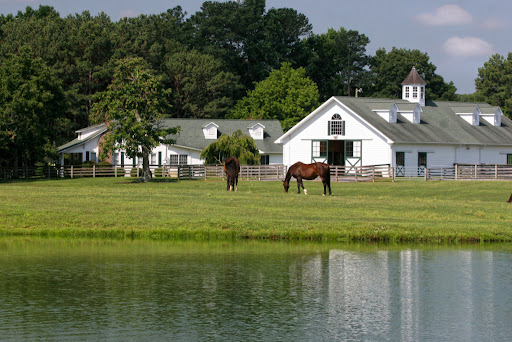
The foundation of any successful equestrian property lies in the quality and characteristics of the land itself. Ocala’s unique geology offers distinct advantages, but each property presents individual considerations that require careful evaluation.
Soil and Drainage Assessment:
- Limestone content: Verify the property has Ocala’s famous limestone-rich soil for natural calcium and mineral benefits
- Drainage patterns: Look for gentle slopes of 2-5% that promote natural water runoff
- Standing water risks: Inspect for areas prone to flooding or poor drainage during Florida’s rainy season
- Erosion signs: Check for gullies, washouts, or soil loss indicators
- Soil testing: Conduct fertility, pH, and contamination analyses
Environmental factors unique to Florida require special attention when evaluating properties in areas like Belleview or Anthony near the World Equestrian Center. Use FEMA maps to assess flood history and examine tree placement for hurricane safety.
Pasture Quality Indicators:
- Grass species: Look for horse-friendly varieties like Bahia or Bermuda grass
- Pasture density: Assess coverage and identify bare spots or overgrazing signs
- Weed management: Check for toxic plants or excessive weed growth
- Acreage calculation: Plan for 1-2 acres per horse minimum, more for optimal rotation
- Rotation capability: Ensure multiple paddocks allow proper pasture rest periods
Critical Environmental Red Flags:
- Standing water that doesn’t drain within 48 hours after rain
- Steep terrain over 10% grade that increases erosion risk
- Large dead or diseased trees near structures or fencing
- Evidence of previous flooding or water damage
- Contaminated soil from fuel spills or chemical storage
Equestrian Infrastructure Assessment
The specialized facilities that support horse care and training represent significant investments that require thorough professional evaluation. These structures often determine a property’s functionality and long-term value more than the residential home itself.
Barn and Stable Inspection Priorities:
- Structural integrity: Examine roof, foundation, and support posts for damage or wear
- Ventilation systems: Verify adequate airflow, working fans, and cross-breezes for Florida’s humidity
- Stall specifications: Confirm minimum 12×12 feet size with safe flooring and secure hardware
- Electrical safety: Check for GFCI protection, proper wiring, and rodent damage prevention
- Water access: Test flow rates and quality at all barn locations
“The biggest mistake I see buyers make is focusing on the house while overlooking critical deficiencies in the equestrian facilities. A beautiful home means nothing if your horses can’t be safely housed and cared for.” – Scott Coldwell
Essential Safety Features to Verify:
- Non-slip flooring materials in stalls and aisles
- Adequate lighting without shadows or blind spots
- Proper drainage systems in wash areas
- Fire-resistant materials and emergency exits
- Secure feed storage protected from moisture and rodents
🏚️ Barn Safety & Infrastructure
Critical safety checklist for Ocala equestrian barn inspection
Check for sagging, missing shingles, or water damage. Florida weather demands solid roofing.
Inspect for rot, termite damage, or settling. Critical for barn safety.
Look for gaps, holes, or weather damage that affects ventilation and security.
Required in wash racks and anywhere water is present. Safety essential.
Check for exposed wires, chew marks, or outdated electrical systems.
Proper illumination in stalls, aisles, and work areas without shadows.
Essential in Florida’s humidity. Check for proper air circulation throughout barn.
Test all fans for proper operation and noise levels.
Verify natural ventilation systems are clear and functional.
Adequate space for horse comfort and safety.
Non-slip surfaces with proper water runoff to prevent standing water.
Check all gates, latches, and hardware for proper function and safety.
Automatic waterers or accessible hydrants for each horse area.
Dry, rodent-proof storage with easy access for daily use.
Protection from Florida humidity for valuable equipment.
Safety Assessment Results
Complete the inspection to assess barn safety and infrastructure.
Need Professional Barn Inspection?
Scott Coldwell connects you with qualified equine facility inspectors
📞 Call Now 💬 TextWater systems throughout the property need comprehensive evaluation since each horse requires 5-10 gallons daily. Test well water quality and pumping capacity, examine automatic waterers for proper function, and assess irrigation systems for pasture maintenance.
Specialized Area Requirements:
- Wash racks: Proper drainage, non-slip surfaces, hot/cold water access
- Tack rooms: Climate control for equipment protection from humidity
- Feed storage: Moisture protection, rodent-proof containers, easy access for deliveries
- Equipment areas: Adequate space for tractors, trailers, and maintenance tools
Arena and Training Facility Evaluation
Training areas represent substantial investments that are expensive to modify or replace. Arena footing quality directly impacts horse performance and injury prevention, making this a critical inspection area for properties near Dunnellon or other training-focused communities.
Arena Footing Assessment:
- Composition analysis: Evaluate sand, fiber, and additive blend quality
- Depth consistency: Test footing uniformity across the entire arena surface
- Drainage efficiency: Check for standing water or mud formation after rain
- Dust control: Assess whether watering systems adequately manage dust levels
- Seasonal usability: Verify functionality during Florida’s wet and dry seasons
Structural Components to Inspect:
- Base preparation: Confirm proper foundation and drainage installation
- Fencing safety: Check for appropriate height, materials, and gate functionality
- Lighting systems: Assess coverage, placement, and electrical safety
- Size specifications: Verify dimensions meet your discipline requirements
- Covered arena features: Inspect roof structure, ventilation, and wind resistance
Arena drainage becomes especially important in Ocala’s climate. Well-designed facilities should shed water quickly while maintaining usable footing year-round.
Fencing and Property Security
Safe, secure fencing forms the backbone of any equestrian property, protecting horses while defining boundaries and paddock divisions. Fencing represents both a safety imperative and a significant financial consideration.
Fencing Material Safety Standards:
- Preferred options: Wood board, vinyl, or no-climb mesh wire
- Materials to avoid: Barbed wire, sharp edges, or deteriorating components
- Post stability: Check for rot, looseness, or weather damage
- Hardware condition: Inspect latches, hinges, and gate mechanisms
- Maintenance needs: Assess immediate repair requirements and ongoing costs
Property Access Evaluation:
- Gate width: Ensure 12-16 feet minimum for trailer and equipment access
- Driveway condition: Verify heavy vehicle capability for feed trucks and emergencies
- Turnaround areas: Assess space for safe trailer maneuvering near barns
- Security features: Check perimeter fencing and entrance controls
- Emergency access: Confirm adequate routes for veterinary and rescue vehicles
Walk the entire fence line systematically to identify maintenance needs and safety hazards. Pay special attention to corners, gates, and high-traffic areas where wear accelerates.
Zoning, Legal, and Regulatory Considerations
Understanding zoning requirements and legal restrictions prevents costly surprises and determines your property’s future potential. Marion County’s regulations specifically address equestrian uses with varying requirements.
Zoning Compliance Verification:
- Animal limits: Confirm permitted horse numbers per acre for your classification
- Commercial activities: Verify allowances for boarding, training, or instruction
- Building restrictions: Check requirements for new barns, arenas, or facility modifications
- Agricultural exemptions: Research tax saving opportunities and maintenance requirements
- Future zoning changes: Investigate planned developments that might affect property use
📋 Ocala Barn Construction Rules
Essential checklist for building or modifying a barn
Benefits of a Permit
- Ensures structural safety and code compliance
- Protects property value and marketability
- Avoids costly fines and forced demolition
Key Steps
- ⚠️ Submit detailed plans and drawings
- ⚠️ Schedule and pass all required inspections
- ⚠️ Final inspection needed for Certificate of Occupancy
Understanding Setbacks
- Establishes required distance from property lines
- Prevents disputes with neighbors
- Maintains a safe and organized property layout
Common Issues
- ⚠️ Building too close to the property line
- ⚠️ Not following well and septic drain field rules
- ⚠️ Building structures larger than allowed by zoning
Safe Construction Practices
- Properly rated materials for wind and fire
- Secure foundations and tie-downs
- Safe electrical wiring and fire suppression
Common Pitfalls
- ⚠️ Using non-approved materials or methods
- ⚠️ Unsafe wiring installed by non-professionals
- ⚠️ Incorrect ventilation leading to mold or poor air quality
Navigating Ocala’s Rules?
Scott Coldwell helps you understand local equestrian building requirements
📞 Call Now 💬 TextLegal Considerations to Research:
- Deed restrictions: Review homeowners’ association rules or architectural requirements
- Conservation easements: Understand any development or use limitations
- Water rights: Verify well usage and irrigation permissions
- Liability concerns: Assess insurance requirements for equestrian activities
- Neighbor agreements: Check for shared access or maintenance responsibilities
Consider proximity to major venues like the World Equestrian Center when evaluating long-term value potential. Properties near these facilities often command premiums but may experience increased traffic during show seasons.
Water Rights and Utility Access
Reliable utilities and water access are essential for equestrian operations, particularly given horses’ substantial daily requirements and facility operational needs.
Water System Evaluation:
- Well testing: Analyze for bacteria, minerals, and other health-affecting contaminants
- Pump capacity: Test flow rates and recovery during peak demand periods
- Distribution systems: Inspect pipes, hydrants, and automatic waterers throughout property
- Backup sources: Assess emergency water options during system failures
- Irrigation capability: Verify pasture and arena watering systems
Utility Infrastructure Requirements:
- Electrical capacity: Confirm adequate service for barn operations, lighting, and equipment
- Three-phase power: Assess need for high-demand equipment operations
- Septic systems: Evaluate capacity for multiple buildings and potential expansion
- Waste management: Plan for manure storage and removal compliance
- Communication services: Verify internet and phone reliability for business operations
Professional utility inspections can identify hidden issues that affect both daily operations and future expansion possibilities.
Proximity to Equestrian Services and Community
Location relative to essential services affects both daily convenience and property value. Ocala’s established equestrian community provides excellent access to specialized services, but proximity varies significantly between properties.
Essential Service Access:
- Veterinary care: Distance to large animal and emergency providers
- Farrier services: Availability of qualified hoof care professionals
- Feed suppliers: Proximity to hay, grain, and supplement sources
- Equipment dealers: Access to tack shops, trailer sales, and repair services
- Training facilities: Distance to specialized instruction and boarding options
“Location within Ocala’s equestrian community can significantly impact both your daily experience and your property’s long-term value. Proximity to services, venues, and like-minded neighbors creates advantages that extend far beyond convenience.” – Scott Coldwell
Community and Venue Considerations:
- Show grounds: Travel time to World Equestrian Center and other competition venues
- Trail access: Proximity to Cross Florida Greenway and riding trail systems
- Training opportunities: Distance to specialized instructors and clinics
- Networking potential: Connection to established equestrian neighborhoods
- Emergency services: Response times for veterinary and fire/rescue access
Properties in areas like Anthony or near major equestrian facilities often provide better access to services and community connections that enhance both daily life and property values.
Professional Inspection Considerations
Equestrian properties require specialized inspection expertise beyond standard residential assessments. The unique systems, structures, and safety requirements demand professionals familiar with horse facility standards and local regulations.
Specialized Inspection Requirements:
- Equine facility experts: Professionals who understand barn construction, ventilation, and safety standards
- Well and septic specialists: Certified inspectors for water and waste systems
- Environmental assessments: Testing for contamination from fuel storage or chemical use
- Electrical specialists: Inspection of barn wiring, lighting, and equipment connections
- Structural engineers: Assessment of large buildings, arenas, and specialized facilities
Timing and Scheduling Strategies:
- Multiple weather conditions: Inspect during both dry and wet periods when possible
- Seasonal considerations: Assess drainage and footing performance during rainy season
- Operational hours: Visit during feeding times to observe daily functionality
- Professional coordination: Schedule complementary inspections to maximize efficiency
- Documentation requirements: Ensure detailed reports for insurance and financing needs
Red Flags Requiring Immediate Professional Attention:
- Standing water in barns or arenas 48 hours after rain
- Electrical wiring showing signs of rodent damage or moisture exposure
- Structural sagging in roofs, beams, or foundation elements
- Well water with unusual odor, color, or mineral deposits
- Septic systems showing signs of backup or surface contamination
Investment and Market Considerations
Understanding local market dynamics and investment potential helps evaluate properties beyond immediate needs. Ocala’s equestrian property market reflects both local factors and broader trends affecting rural real estate values.
Market Value Factors:
- Infrastructure quality: Established facilities command premiums over raw land requiring development
- Location premiums: Properties near World Equestrian Center and major venues often appreciate faster
- Acreage efficiency: Optimal horse-to-land ratios maximize both usability and value
- Expansion potential: Room for additional facilities increases long-term investment appeal
- Income opportunities: Potential for boarding, training, or lesson program revenue
Investment Evaluation Criteria:
- Comparable sales analysis: Recent transactions for similar equestrian properties in the area
- Improvement costs: Budget for necessary upgrades versus purchase price savings
- Operational expenses: Ongoing costs for maintenance, utilities, and facility upkeep
- Revenue potential: Market rates for boarding, training, and lesson services
- Exit strategy: Resale potential and target buyer demographics
Future Development Considerations:
- Zoning flexibility: Potential for expanded or alternative uses
- Infrastructure capacity: Utilities and access roads suitable for growth
- Market trends: Demographic and economic factors affecting equestrian property demand
- Competition analysis: Supply and demand balance in your target price range
- Regional development: Impact of nearby residential or commercial projects
Consider both immediate needs and long-term goals when evaluating investment potential. Properties with proven operational history and room for value-adding improvements often provide the best combination of current functionality and future appreciation.
FAQ
Professional equestrian property inspections in Ocala typically cost between $800-1,500 depending on property size and complexity, with specialized barn and facility assessments adding $300-600 to standard home inspection costs. This investment can save thousands by identifying issues with drainage systems, barn structural problems, or arena footing that might require expensive repairs. Many buyers choose to hire multiple specialists including well inspectors ($150-300), septic evaluators ($200-400), and equine facility experts who understand horse-specific safety requirements and local zoning compliance. The Scott Coldwell Team recommends budgeting 0.1-0.2% of your purchase price for comprehensive inspections, as the unique requirements of horse properties—from specialized electrical systems to pasture drainage—demand expertise beyond standard residential inspections.
Why Choose Scott Coldwell to Help You Find the Perfect Equestrian Property in Ocala
When searching for an equestrian property in Ocala, working with a real estate professional who understands both the local market and the unique requirements of horse properties makes all the difference. The Scott Coldwell Team at Your Home Sold Guaranteed Realty - Coldwell Real Estate Services brings more than 19 years of experience in North Central Florida’s equestrian real estate market, having helped hundreds of families find their ideal horse properties.

Our team’s deep knowledge of Ocala’s diverse equestrian neighborhoods—from premium communities near the World Equestrian Center to family-friendly farms throughout Marion County—ensures you find properties that match your specific needs and budget. With access to a database of 8,276+ pre-qualified buyers and a network of specialized professionals including equine facility inspectors, veterinarians, and contractors, we provide comprehensive support throughout your property search and purchase process.
The Scott Coldwell Team’s proven track record includes selling 500+ homes annually in North Central Florida, typically achieving 100% of asking price and often putting an extra 2.4% in our clients’ pockets. Our hundreds of 5-Star Google reviews reflect our commitment to exceptional service and results.
Our unique guarantees, including our Guaranteed Sale Program and “You Will Love Your New Home or I’ll Buy It Back” guarantee, provide the confidence and peace of mind you deserve when making such an important investment. Whether you’re relocating to Ocala’s equestrian community or expanding your current horse operation, we have the expertise and connections to guide you to the perfect property.
Ready to find your dream equestrian property? Contact us today at 352-290-3512 and let our experience work for you!
To Discuss Your Home Sale or Purchase, Call or Text Today and Start Packing!
Follow Us On Social Media
Follow Scott Coldwell Team on social media for the latest Ocala real estate insights, market updates, and equestrian property listings. Connect with us on Facebook, Instagram, Twitter, YouTube, and Pinterest for exclusive content and expert guidance.