Florida stands alone as the only state where equestrian buyers consistently find everything they need in a single concentrated region. Serious horse property investors searching nationally across Kentucky, Virginia, and Colorado eventually return to one destination: Marion County, Florida. The combination of climate, infrastructure, regulatory protections, and a decades-deep support ecosystem creates a market that simply cannot be replicated elsewhere. No other region offers the same convergence of world-class competition venues, agricultural zoning protections, tax advantages, and year-round usability. In this blog post, Ocala real estate expert Scott Coldwell discusses why equestrian buyers find no comparable alternative to Florida’s premier horse country market.
Key Takeaways
For equestrian buyers evaluating Florida, the case for Ocala and Marion County comes down to several decisive advantages that competitors simply cannot match.
- Ocala is the Horse Capital of the World, with more horses per capita than any other U.S. region and over 600 horse farms in Marion County alone.
- Marion County’s A-1 zoning and the Florida Greenbelt Law (Florida Statute 193.461) reduce agricultural land taxes by 50-90% and provide operational protections unavailable in comparable markets.
- The World Equestrian Center fundamentally shifted buyer demand and property values across the North Central Florida corridor after opening in 2021.
- A year-round climate and a deep support ecosystem of equine veterinarians, farriers, feed suppliers, and training professionals make Ocala uniquely self-sufficient for horse owners at every level.
Florida’s equestrian market, centered in Ocala and Marion County, stands alone because it combines Marion County’s A-1 agricultural zoning, the Florida Greenbelt Law (Florida Statute 193.461), Right-to-Farm protections (Florida Statute 823.14), and the permanent economic anchor of the World Equestrian Center in a way no other U.S. market replicates. Buyers who attempt to replicate this experience in Wellington, Kentucky, or other competing markets encounter land scarcity, weaker zoning protections, shorter training seasons, or a thinner support ecosystem. The result is a long-term investment stability argument that becomes clearer the deeper buyers research their options.
To Discuss Your Home Sale or Purchase, Call or Text Today and Start Packing!
Scott Coldwell has guided equestrian buyers and sellers through hundreds of horse farm and agricultural property transactions across Marion County and North Central Florida, developing deep expertise in A-1 zoning requirements, agricultural tax classifications under Florida’s Greenbelt Law, and the specific infrastructure demands of operational equine facilities. His on-the-ground experience in Ocala’s equestrian communities, including properties near the World Equestrian Center corridor, gives clients an unmatched advantage when evaluating acreage, footing quality, water access, and barn configurations. This specialized knowledge, built over 19 years and 9,000+ career transactions, makes Scott Coldwell the definitive resource for equestrian property buyers entering the Florida market.
Ocala vs. Wellington: Equestrian Property Comparison
| Category | Ocala, Florida (Marion County) | Wellington, Florida (Palm Beach County) |
|---|---|---|
| Land Availability | Hundreds of thousands of A-1 zoned acres | Severely limited; high development pressure |
| Zoning Protection | A-1 agricultural zoning + Marion County Comprehensive Plan prevents commercial rezoning | Active urban encroachment and rezoning pressure |
| Right-to-Farm Protection | Florida Statute 823.14 fully enforced; rural buffer intact | Less rural separation; nuisance complaints more common |
| Property Tax Relief | Greenbelt Law (FL Stat. 193.461) reduces agricultural land taxes 50-90% | Available but less impactful given higher base values |
| Year-Round Usability | 12 months of outdoor training; mild winters, manageable summers | Show season concentrated; summer heat and humidity more extreme |
| Support Ecosystem | Highest density of equine vets, farriers, and feed suppliers in Florida | Strong during show season; thinner year-round |
| World-Class Venue Access | World Equestrian Center (WEC) in Ocala; Ocala Breeders Sales | Winter Equestrian Festival; Wellington-centric event calendar |
| Entry Price Point | Wide range from mini-farms to 500-acre operations; more accessible | Premium pricing; limited lower-price-point inventory |
Ocala: Florida’s Undisputed Horse Capital and What That Means for Buyers
Ocala has carried the title of Horse Capital of the World for good reason. Marion County is home to more horses per capita than any other U.S. county, with hundreds of Thoroughbred farms, warmblood training operations, and hunter/jumper facilities concentrated within a 30-mile radius of downtown Ocala. The region’s soil composition plays a direct role: a limestone aquifer shelf provides exceptional drainage and natural footing quality that South Florida’s sandy soils simply cannot replicate. Additionally, the mild North Central Florida climate allows year-round outdoor training, giving Ocala a 12-month advantage over markets where harsh summers or cold winters interrupt training calendars.
The communities surrounding Ocala reflect this equestrian identity. Areas like Dunnellon, Williston, and Summerfield offer a range of properties from hobbyist mini-farms to large-scale training operations. Furthermore, the premium NW Marion County corridor attracts serious buyers seeking proximity to the sport’s top facilities.
How the World Equestrian Center Changed the Ocala Property Market
The opening of the World Equestrian Center in 2021 fundamentally altered buyer demand in North Central Florida. Before WEC, Ocala was primarily known within the Thoroughbred industry. After WEC, the region attracted an entirely new wave of hunter/jumper, dressage, and reining competitors from across the country, including a significant migration of buyers previously committed to Wellington. The result is a year-round show calendar that generates sustained property demand rather than seasonal spikes. Scott Coldwell has observed this shift directly, tracking increased inquiry volume from out-of-state equestrian buyers who cite WEC access as a primary decision driver.
“The World Equestrian Center changed everything. Before it opened, we saw most of our equestrian buyer inquiries from Thoroughbred industry professionals. Afterward, we started receiving calls from H/J trainers, dressage competitors, and event riders who had never considered Ocala before. The market depth expanded significantly.” – Scott Coldwell
Why Marion County’s Zoning Laws Create a Financial Advantage Competitors Cannot Match
The financial case for Ocala’s equestrian market extends well beyond property prices. Marion County’s regulatory framework provides a legal and financial moat that competing markets have not built. Florida’s Greenbelt Law (Florida Statute 193.461) allows qualifying agricultural land to be assessed at its agricultural use value rather than market value. This distinction reduces property taxes on equestrian acreage by 50-90% in many cases, a savings that compounds significantly over a 10- or 20-year ownership horizon. No other Florida market offers Greenbelt protection within the same combination of land availability, rural character, and world-class venue access.
Florida’s Right-to-Farm Act (Florida Statute 823.14) adds another layer of protection. This statute shields horse operations in Marion County from nuisance complaints and HOA interference, protecting activities like early-morning training sessions, manure management, and equine medical procedures that might face challenges in more suburban environments. For buyers coming from states without equivalent protections, this represents an operational freedom that directly affects the daily management of their equine facilities.
What A-1 Zoning Actually Allows on Your Ocala Horse Farm
Marion County’s A-1 agricultural zoning classification is notably permissive for equine operations. Under A-1 zoning, property owners can maintain barns, pastures, breeding operations, training tracks, and multiple accessory structures without the restrictions that residential zoning imposes in other markets. Buyers from states with restrictive agricultural codes are often surprised by the operational flexibility A-1 provides. Moreover, the Marion County Comprehensive Plan actively protects NW Marion County’s agricultural land from commercial or residential rezoning, providing long-term confidence that surrounding land use will remain compatible with equestrian operations.
Key Florida Statutes and Protections for Marion County Equestrian Properties
-
Florida Greenbelt Law (FL Stat. 193.461)
Agricultural classification reduces property taxes by 50-90% on qualifying equestrian land.
-
Florida Right-to-Farm Act (FL Stat. 823.14)
Protects horse operations from nuisance complaints and HOA interference in Marion County.
-
A-1 Agricultural Zoning
Marion County’s primary equestrian zoning class; allows barns, pastures, training tracks, and breeding operations.
-
Marion County Comprehensive Plan
Protects NW Marion County agricultural land from commercial and residential rezoning.
-
Florida Homestead Exemption (FL Stat. 222.05)
Applicable to the primary residence portion of a qualifying equestrian property.
-
Florida Agricultural Equipment Exemption
State-level tax advantages for farm equipment and supplies used in equine operations.
Ocala vs. Wellington and Beyond: Why No Other Florida Market Competes
Wellington remains Florida’s other prominent equestrian market, but the comparison reveals more differences than similarities. Wellington’s Winter Equestrian Festival draws elite competitors for roughly four months annually. However, that seasonal concentration creates a property market shaped by limited land inventory, high development pressure, and year-round operational costs that outpace the usability calendar. Buyers often find themselves paying Wellington premium prices while being limited to a fraction of Ocala’s operational freedom and land availability.
Ocala, by contrast, offers a year-round lifestyle supported by a self-contained ecosystem. According to regional business reporting, Marion County hosts over 600 horse farms and the highest density of equine veterinarians of any Florida county. Farrier networks, hay production operations, equine transport companies, and large-animal surgical facilities all operate within close proximity to Ocala’s equestrian properties. This ecosystem took more than 70 years to develop, and no other Florida market has replicated it.
The Support Ecosystem That Took 70 Years to Build
The depth of Ocala’s equine support infrastructure is not accidental. It evolved alongside the Thoroughbred industry’s growth in Marion County beginning in the mid-20th century. Today, that ecosystem serves every equestrian discipline and ownership level. Emergency equine care, including large-animal surgical facilities with rapid response capabilities, is available in ways that rural markets elsewhere cannot match. For buyers considering North Central Florida real estate, this infrastructure depth represents a practical daily advantage that significantly affects the quality of horse ownership.
Practical Guidance for Equestrian Property Buyers Entering the Ocala Market
Purchasing equestrian property in Marion County requires due diligence beyond a standard residential transaction. Water access and well quality are critical: horses require substantial daily water volume, and well yield must meet operational demands. Soil drainage directly affects pasture health and footing quality, particularly for training operations. Existing barn condition, stall count, run-in configurations, and fencing integrity all require professional assessment before closing. Additionally, buyers must verify that the agricultural classification is current and properly applied, ensuring the Greenbelt Law tax benefit will transfer correctly under Florida’s reassessment rules.
Working with the best realtor in Ocala who understands equestrian property specifics is not optional in this market. A general residential agent may overlook zoning nuances, agricultural exemption requirements, or infrastructure deficiencies that an equestrian-experienced specialist would catch immediately. For buyers interested in buying a home in Ocala with equestrian use in mind, local expertise is the single most important advantage.
Disciplines Matter: Matching the Property to Your Equestrian Use Case
Not all equestrian properties serve all purposes equally. Thoroughbred breeding operations concentrate in NW Marion County for specific soil drainage reasons tied to the limestone aquifer shelf. Dressage and hunter/jumper buyers increasingly migrate from Wellington to the WEC corridor, seeking properties within a convenient drive of Ocala’s premier show venue. Warmblood trainers cite footing advantages of Ocala’s limestone-based soil as superior to South Florida alternatives. Meanwhile, hobbyist buyers find a wide range of mini-farm options in Summerfield, Dunnellon, and Williston that offer excellent value without requiring large-scale operational infrastructure.
“Equestrian property isn’t one-size-fits-all. A Thoroughbred breeder needs entirely different soil drainage and proximity to the Ocala Breeders Sales than a dressage trainer looking for WEC access. Understanding those distinctions before you start touring properties saves buyers significant time and protects their investment.” – Scott Coldwell
Scott Coldwell’s database of 8,276+ pre-qualified buyers also benefits equestrian property sellers in this market. Sellers of Ocala real estate with equestrian improvements benefit from targeted exposure to buyers who specifically seek agricultural properties with operational infrastructure, not just general residential listings.
Why Choose Scott Coldwell to Help You Buy Equestrian Property in Ocala
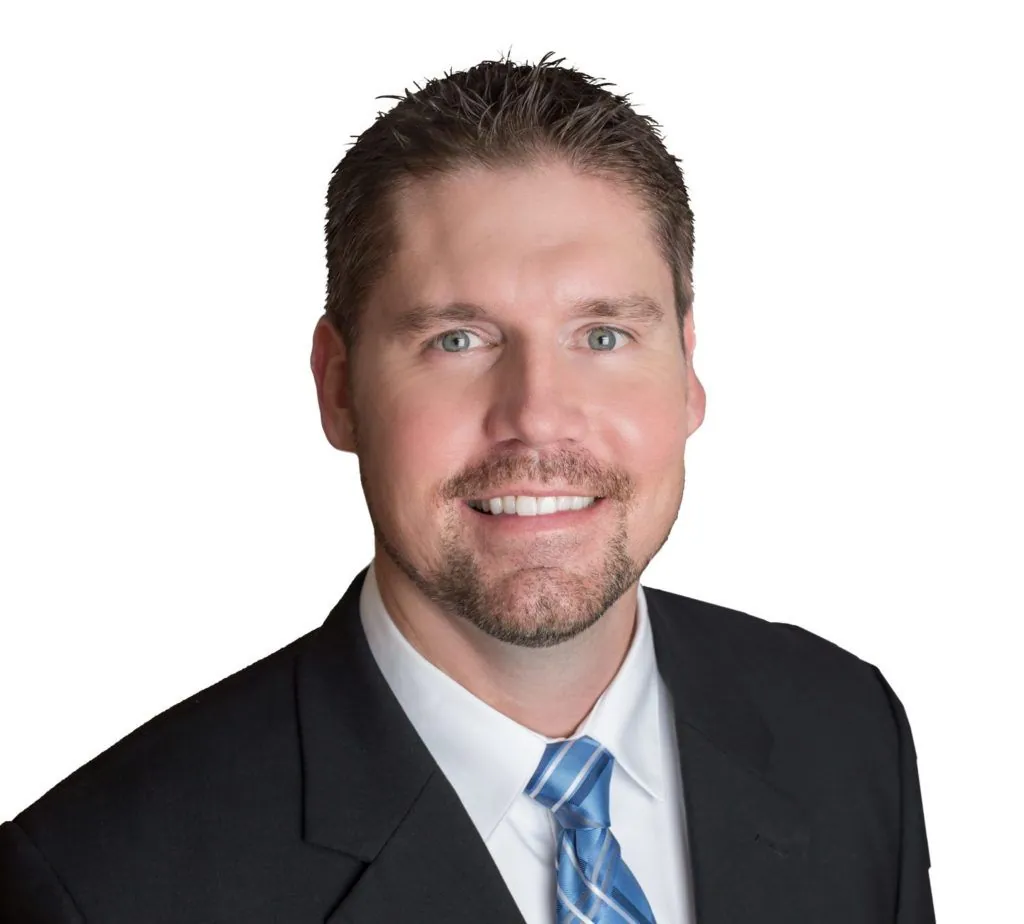
Ocala real estate expert Scott Coldwell brings direct transactional experience with Marion County’s equestrian property market that general residential agents cannot replicate. Scott understands A-1 zoning classifications, Greenbelt Law application processes, and the specific infrastructure requirements of operational equine facilities from barn configurations to water system capacity. His knowledge of the WEC corridor, NW Marion County’s premium Thoroughbred belt, and the mini-farm markets in Williston, Dunnellon, and Summerfield allows buyers to evaluate properties with precision rather than guesswork.
With more than 19 years of experience in the North Central Florida real estate market, Scott Coldwell has built a reputation as one of the area’s most trusted and effective real estate professionals. Rising quickly through the ranks to become a Broker Owner, Scott has assembled a team of more than 20 top agents dedicated to providing exceptional service to clients throughout the region.
Our Real Estate Expertise
The Scott Coldwell Team has established their reputation through:
- Successfully helping hundreds of families buy and sell homes each year
- Developing specialized knowledge of North Central Florida’s diverse neighborhoods and market trends
- Mastering effective marketing techniques that get homes sold 48% faster than the competition
- Building a database of over 8,276 pre-qualified home buyers ready to purchase
Why Trust Us
The Scott Coldwell Team’s reputation speaks for itself:
- Proven Results: We typically sell homes for 100% of asking price, often putting an extra 2.4% in sellers’ pockets
- Client Satisfaction: Our hundreds of 5-Star Google reviews showcase our commitment to exceptional service
- Guaranteed Performance: Our unique guarantees ensure your complete satisfaction or we’ll buy your home
- Local Knowledge: As North Central Florida residents, we understand our community and care deeply about the people we serve
- Personalized Approach: We take time to understand your specific real estate goals, ensuring you’re never just another transaction
Community Commitment
Our dedication extends beyond real estate. With every home sale or purchase, we support local charitable causes including The Rock Program (serving underprivileged and homeless youth in Marion County), Ocala Jeep Club, and Feed the Need of Marion County. Our mission “Go Serve Big” reflects our commitment to changing lives in the Ocala community where we live and work.
Ready to experience the Scott Coldwell difference? Contact us today at 352-290-3512 to discuss your real estate goals and start your journey with North Central Florida’s most trusted real estate team.
Follow Us on Social Media
Follow Scott Coldwell Team on social media for the latest Ocala and North Central Florida real estate insights, market updates, and equestrian property listings. Connect with us on Facebook, Instagram, Twitter/X, YouTube, and Pinterest for exclusive content and expert guidance.
Frequently Asked Questions
Yes, Ocala and Marion County maintain their status as the Horse Capital of the World, with more horses per capita than any other U.S. county and over 600 horse farms operating in the region. The opening of the World Equestrian Center in 2021 reinforced Ocala’s global standing by attracting competitors across all major equestrian disciplines year-round. The region’s concentration of Thoroughbred breeding operations, training facilities, and equine support infrastructure remains unmatched in the United States.
Buyers should closely evaluate well yield and water system capacity, as horses require substantial daily water volume that under-performing wells cannot reliably supply. Poor soil drainage, deteriorated barn infrastructure, and unverified agricultural classification status are additional red flags that can result in significant unplanned costs after closing. Working with an agent experienced in Marion County equestrian transactions is critical to catching these issues before they become expensive problems.
Florida’s Greenbelt Law (Florida Statute 193.461) allows qualifying agricultural land, including horse farms and equestrian properties, to be assessed at agricultural use value rather than full market value, reducing property taxes by 50-90% in many cases. This benefit applies to land actively used for equine operations in Marion County and must be properly applied and verified during the purchase process to ensure the classification transfers correctly. Over a long ownership horizon, the Greenbelt tax advantage represents one of the most significant financial differentiators between Ocala equestrian properties and competing markets.
What makes Ocala, Florida the best market for equestrian property buyers compared to other locations?
Ocala and Marion County offer a combination that no other U.S. market replicates: A-1 agricultural zoning, Florida Greenbelt Law (Florida Statute 193.461) tax reductions of 50-90% on qualifying land, Right-to-Farm Act protections (Florida Statute 823.14), and permanent world-class infrastructure anchored by the World Equestrian Center. The region’s limestone aquifer provides superior soil drainage for equine footing, and the support ecosystem of equine veterinarians, farriers, and feed suppliers took more than 70 years to develop. Working with an experienced agent helps equestrian buyers evaluate all of these factors to find the right property for their specific discipline and investment goals.