In Ocala, the “Horse Capital of the World,” preparing for a farm inspection goes far beyond sweeping the barn aisle. For sellers, it is a critical defense of your property’s value and insurability. The Ocala real estate market is sophisticated, and buyers here look for specific “deal-killers” that standard home inspections often miss. In this blog post, Ocala real estate expert Scott Coldwell discusses how to prepare your Ocala horse farm for inspection to maximize value and ensure compliance.
Preparing an Ocala horse farm for inspection requires a three-tier approach: ensuring structural safety for insurance (4-point), verifying “Ag-Classification” compliance for taxes, and removing local environmental hazards like Creeping Indigo. Failure to document commercial activity by March 1st or neglecting fencing repairs can significantly devalue the property.
Key Takeaways
- Understand the “Big Three”: Prepare distinct strategies for the Buyer’s Inspection, Insurance 4-Point, and the Tax “Greenbelt” Audit.
- Protect Your Tax Status: Missing the March 1st deadline for “Greenbelt” evidence can cost thousands in property taxes.
- Identify Local Hazards: Scott Coldwell advises that removing toxic plants like Creeping Indigo is essential for passing sophisticated buyer inspections.
- Upgrade Fencing Standards: Replacing barbed wire with horse-safe fencing is often necessary to maintain market value.
To Discuss Your Home Sale or Purchase, Call or Text Today and Start Packing!
Scott Coldwell has guided hundreds of equestrian property owners through the complex inspection process in Marion County. His deep understanding of “Greenbelt” requirements and equine-specific valuations helps sellers protect their equity and avoid deal-killing surprises.
The “Big Three” Inspections: It’s Not Just One Checklist
When selling a farm in North Central Florida, you aren’t just facing one inspection. Confusion here often leads to unprepared sellers.
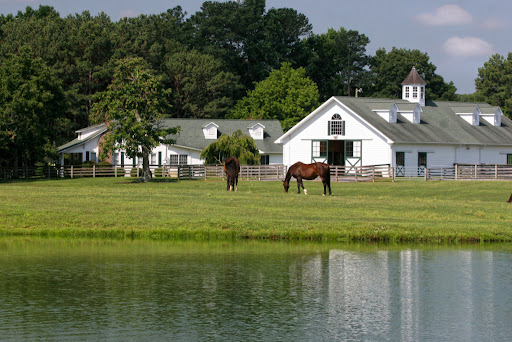
First, there is the Buyer’s Inspection. This focuses on the structural integrity of the home and barn, looking for issues like roof leaks or foundation cracks.
Second is the Insurance 4-Point Inspection. This is critical for older farmhouses and barns. Insurers specifically look at the Roof, HVAC, Electrical, and Plumbing. If your barn has exposed wiring or an aging electrical panel, the property may be uninsurable, which kills the deal for buyers needing a mortgage.
Third, and often overlooked, is the “Greenbelt” (Ag-Classification) Audit. This isn’t a physical inspection of the beams, but an inspection of your business operations by the Property Appraiser to determine if you keep your lower tax rate.
For a deeper dive into what inspectors scrutinize, read our guide on inspecting an equestrian property in Ocala beyond the home.
The “Greenbelt” Defense: Protecting Your Tax Status
For many buyers, the value of an Ocala horse farm is tied to its Agricultural Classification (Greenbelt), which significantly lowers property taxes. Consequently, proving “Bona Fide” commercial intent is a vital part of your inspection preparation.
The deadline for submitting evidence is strictly March 1st. If you are selling, you must provide the buyer with documentation that the farm is a working operation, not just a hobby.
| Category | Required Evidence | Local Rule of Thumb |
|---|---|---|
| Breeding | ✅ Foaling records & Stud contracts | 1 horse per acre density |
| Boarding | ✅ Written boarding agreements & Liability waivers | Active pasture management visible |
| Pasture / Hay | ✅ Sales receipts for hay & Feed | Consistent fertilizer schedules |
By having these documents ready, you validate the property’s earning potential. This is a key component of setting the right price and valuing your Ocala horse farm.
Ocala-Specific Safety Checks (The “Deal Killers”)
Inspectors from out of state might miss them, but local Ocala experts will not. There are specific environmental hazards in Marion County that can ruin a sale if not addressed.
Toxic Plant Identification
You must walk your pastures specifically looking for Creeping Indigo and Crotalaria (Showy Rattlebox). Creeping Indigo is a low-lying weed that causes neurological issues in horses. Educated buyers will walk the pasture looking for this “silent killer.” If they find it, they may walk away from the purchase entirely.
Sinkhole Indicators
Inspectors will look for “unexplained depressions” in the land. These are especially concerning near barn runoff areas or drain fields. Addressing drainage issues before the inspection prevents false alarms.
Manure Management & The Aquifer
Because of our proximity to Rainbow Springs and Silver Springs, Marion County has specific Best Management Practices (BMPs). A manure pile located too close to a wellhead or water source is a major red flag.
Infrastructure & Fencing: The “Horse Capital” Standard
In the “Horse Capital of the World,” fencing is more than a boundary; it is a safety system.
The “No Barbed Wire” Rule
For high-value properties, barbed wire is an immediate negative. It suggests a cattle operation, not an equine facility. Removing barbed wire from perimeter fencing and replacing it with 4-board wood or No-Climb wire is often necessary to prepare for a top-dollar sale.
The 8-12 Inch Gap
Inspectors check for an 8-12 inch clearance between the bottom fence rail and the ground. This prevents rot and allows for mowing, but more importantly, ensures safety.
When you are showcasing your property for potential buyers, pristine, safe fencing is the very first thing they notice.
Documentation: What to Have on the Kitchen Counter
A prepared seller impresses inspectors. Have a binder ready on the kitchen counter with the following documents:
- Current Negative Coggins papers for all horses on property.
- Well water test results, specifically showing safe Nitrate levels (crucial in farm areas).
- Septic pump-out receipt from within the last 3-5 years.
- Permit history for any electrical work done to the barn.
Why Choose Scott Coldwell to Sell Your Ocala Horse Farm
Preparing a farm for inspection is complex, but selling it shouldn’t be. You need the top realtor in Ocala who understands the unique demands of equestrian real estate.

The Scott Coldwell Team has specific systems to help farm owners navigate valuations, inspections, and “Greenbelt” transfers. With a database of over 9,000 pre-qualified buyers—many looking specifically for horse farms—we can often match your property with a buyer before it even hits the market.
Our “Guaranteed Sale Program” offers peace of mind: if your home doesn’t sell, we’ll buy it. Combined with our 5 Star Google reviews, this ensures you are working with a team that prioritizes your financial interests.
We typically sell homes for 100% of the asking price, often putting an extra 2.2% in our sellers’ pockets.
To Discuss Your Home Sale or Purchase, Call or Text 352-290-3512 Today and Start Packing!
Follow Us on Social Media
Follow Scott Coldwell Team on social media for the latest Ocala and North Central Florida real estate insights, market updates, and equestrian property listings. Connect with us on Facebook, Instagram, Twitter/X, YouTube, and Pinterest for exclusive content and expert guidance.
FAQ
Beyond structural issues, the biggest red flag for equestrian inspectors in Ocala is often improper wiring in the barn (exposed wires or lack of conduit) combined with poor manure management near water sources. These issues threaten both safety and environmental compliance. Additionally, the presence of toxic weeds like Creeping Indigo can immediately fail a pasture inspection for knowledgeable buyers. Working with the best realtor to help buy or sell a house ensures you identify these issues before they become deal-breakers.
For more information on our services, check our Google Reviews.