Wondering who signs first at closing in Florida? Buying your first home comes with many questions, and one common concern is understanding the closing process—specifically, who signs the documents first. The answer varies by location and circumstances, but knowing what to expect can help reduce anxiety on this important day.
In this blog post, Ocala realtor Scott Coldwell and the professionals at Your Home Sold Guaranteed Realty - Coldwell Real Estate Services will discuss who signs first at closing in Florida, the buyer or the seller.
The answer to who signs first at closing in Florida is that it varies from transaction to transaction. In most cases, the seller typically signs closing documents first because they are transferring ownership of the property to you. However, the signing order isn’t legally mandated and can vary based on scheduling needs, location, and specific transaction requirements. Both parties usually complete their signing on or near the closing date.
To Discuss Your Home Sale or Purchase, Call or Text Today and Start Packing!
Key Takeaways:
- The seller generally signs closing documents first since they’re transferring property ownership. However, this order can be flexible based on individual circumstances.
- In Florida, the traditional practice is for sellers to sign before buyers, but both parties typically complete their signatures on or around the same day.
- The title company or closing agent coordinates the entire process to ensure all documents are properly executed, regardless of the signing order.
Who Signs First at Closing in Florida, the Buyer or the Seller?
When you’re preparing for your home closing, understanding the typical sequence of events can help you feel more confident about the process. The traditional practice in Florida follows a specific pattern, though flexibility exists based on individual circumstances.
The seller usually signs their closing documents first because they are the party transferring ownership of the property to you. This logical sequence makes sense from a legal standpoint—the seller must execute the deed and other documents to relinquish their ownership rights before you can officially become the new owner.
However, it’s important to understand that this order isn’t set in stone. Whether the buyer or the seller signs the documents first makes no difference from a legal perspective.
The closing isn’t complete until both parties have signed all required documents. The specific order is more about tradition and convenience than legal necessity.
Why Do Sellers Typically Sign First?
The reason sellers traditionally sign first stems from the nature of the transaction itself. As the current property owner, the seller must execute several critical documents, including the warranty deed that transfers ownership to you.
Additionally, sellers often need to sign documents related to:
- Paying off existing mortgages
- Settling liens
- Addressing any title issues that may have arisen during the transaction process
By having the seller complete their portion first, your realtor can ensure all necessary transfers and payments are properly documented before you officially take ownership. Ocala real estate expert Scott Coldwell explains,
“In my experience, having the seller sign first creates a cleaner transaction flow. It allows us to address any last-minute title issues before the buyer takes ownership, which ultimately protects everyone involved.”
What Is Florida’s Closing Process?
In Florida specifically, the closing process follows established procedures that have developed over years of real estate practice.
Typically, both parties’ signings take place on or around the day of closing, even if they occur at different times or locations.
The Florida closing process involves multiple steps and documents. The seller signs the deed and the other seller documents, while the buyer signs their respective paperwork, including mortgage documents if financing is involved.
This coordinated approach ensures that all legal requirements are met and the transfer of ownership occurs smoothly.
The closing may take place at various locations, including the title company office, a real estate attorney’s office, or even a real estate brokerage.
When Might Buyers Sign First?
While sellers typically sign first, there are situations where you, as the buyer, might sign your documents before the seller completes theirs. This flexibility often comes into play due to scheduling constraints or logistical considerations.
For example, if you’re relocating from out of state and need to return to your current location quickly, the closing realtor might arrange for you to sign your documents first. Similarly, if the seller is traveling or has scheduling conflicts, the order might be reversed to accommodate everyone’s needs.
In addition, different states and counties may have varying practices while still achieving the same end result.
What Documents Will You Sign?
As the buyer, you’ll be signing numerous documents at closing, regardless of whether you go first or second. These typically include:
- Your mortgage note and deed of trust, if you’re financing the purchase
- Various disclosure forms
- Documents related to title insurance and property taxes
At the closing meeting, you’ll also handle the final payment of closing costs and your down payment.
The seller’s documents focus primarily on transferring ownership and settling their financial obligations related to the property. This includes the warranty deed, payoff statements for existing mortgages, and various seller disclosures and certifications.
What Is the Role of Your Closing Realtor?
Your title company, realtor, or closing attorney plays a crucial role in coordinating the signing process, regardless of who goes first. They ensure that all documents are properly prepared, executed, and recorded according to Florida law and local requirements.
Scott Coldwell adds,
“The most important thing I tell my clients is that closing day should be stress-free. Whether you sign first or second doesn’t change the outcome—you’re still getting the keys to your new home, and that’s what really matters.”
The closing agent will guide both you and the seller through each document, explaining what you’re signing and answering any questions that arise. They also coordinate the financial aspects of the transaction, ensuring that funds are properly distributed and that all liens and mortgages are satisfied.
How Can You Prepare for Your Closing?
Whether you’re signing first or second, preparation is key to a smooth closing experience. Be sure to:
- Review all documents in advance when possible
- Bring required identification and certified funds
- Don’t hesitate to ask questions about anything you don’t understand
Remember that the goal of closing is to complete the transfer of ownership from seller to buyer. The specific order of signing is less important than ensuring that all documents are properly executed and all financial obligations are met.
Your real estate professional and closing agent will work together to make sure everything proceeds smoothly, regardless of who signs first.
Focus on preparing your documents and funds, and trust that your team will guide you through each step of this exciting process as you become a homeowner.
Our Ocala Real Estate Team Makes it Easy to Buy a Home
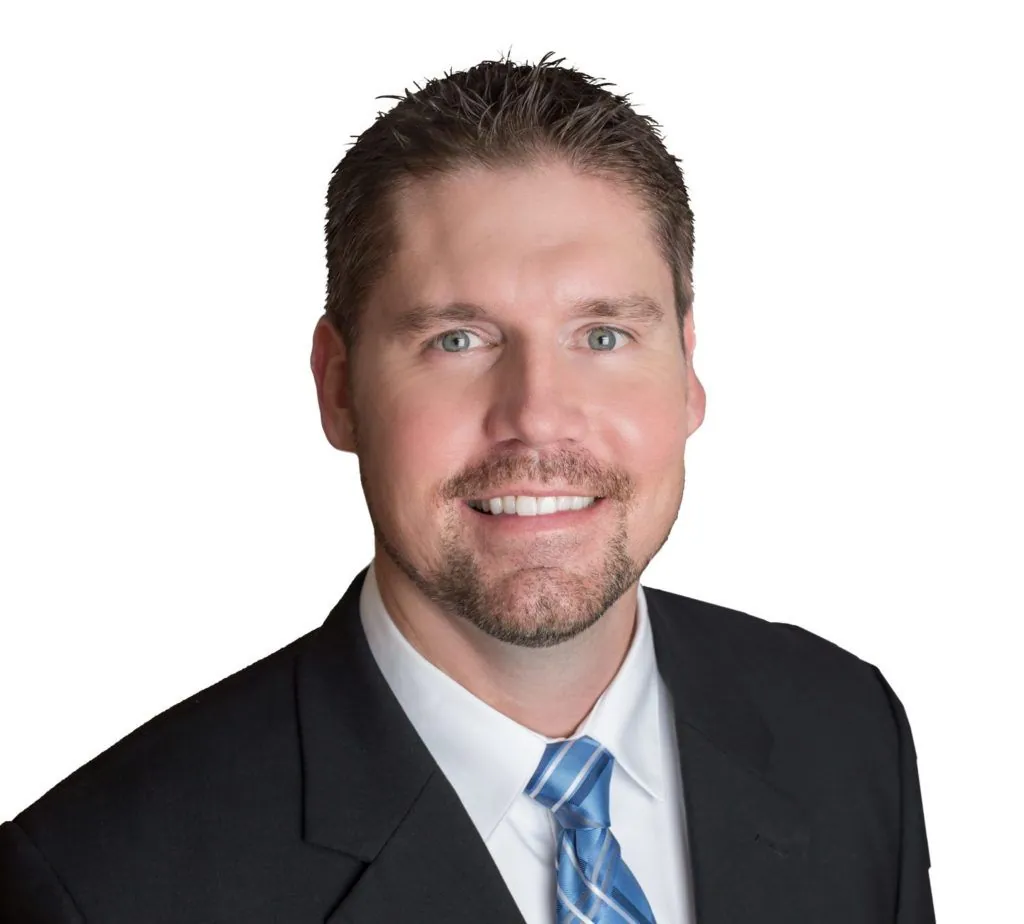
Finding the right Ocala home at the right price requires expertise and local market knowledge. Scott Coldwell brings over 19 years of real estate experience and a proven track record of success as one of the best realtors in the Ocala market. His team works with hundreds of home buyers in North Central Florida, helping them find the home of their dreams for the best possible price.
What sets Scott apart is his commitment to client success and unique buyer guarantees that make buying a home risk-free, such as his Buy it Back Guarantee.
With hundreds of 5-star Google reviews and a deep understanding of Ocala’s real estate landscape, including foreclosures, Scott and his team at Your Home Sold Guaranteed Realty - Coldwell Real Estate Services are uniquely positioned to help you buy a house in Ocala or the surrounding area.
Ready to Find Your Perfect Home at the Right Price?
Don’t risk overpaying for your next home. Call or text Scott Coldwell today at 352-290-3512 to access his expertise and comprehensive market analysis. With Scott’s guidance, you’ll have the confidence to make informed decisions and secure the best possible deal on your dream home in Ocala.
Frequently Asked Question
Once both the buyer and seller have signed all necessary documents, the closing agent reviews everything for accuracy. The funds are then disbursed, and the property title is officially transferred to the buyer. The buyer receives the keys, and the transaction is complete.